
Last updated November 21, 2026
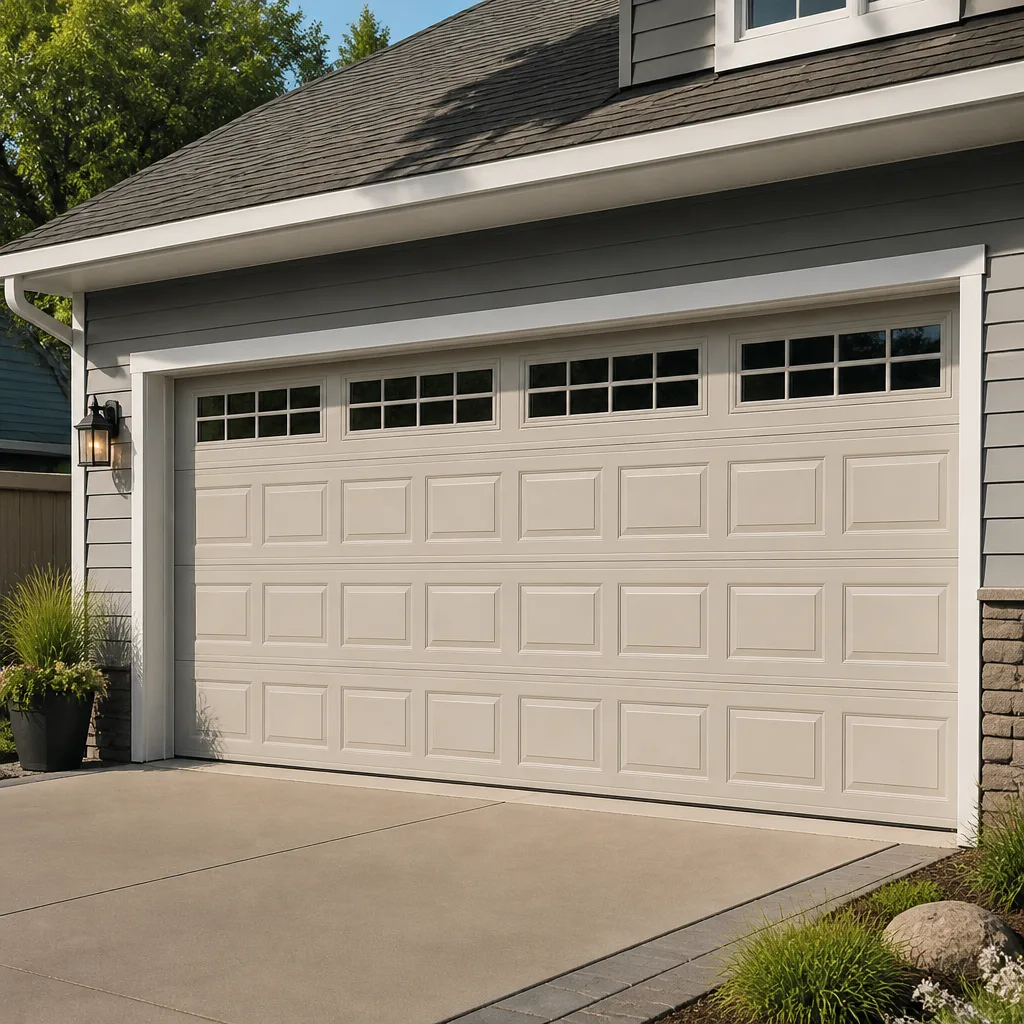 Raised-panel steel
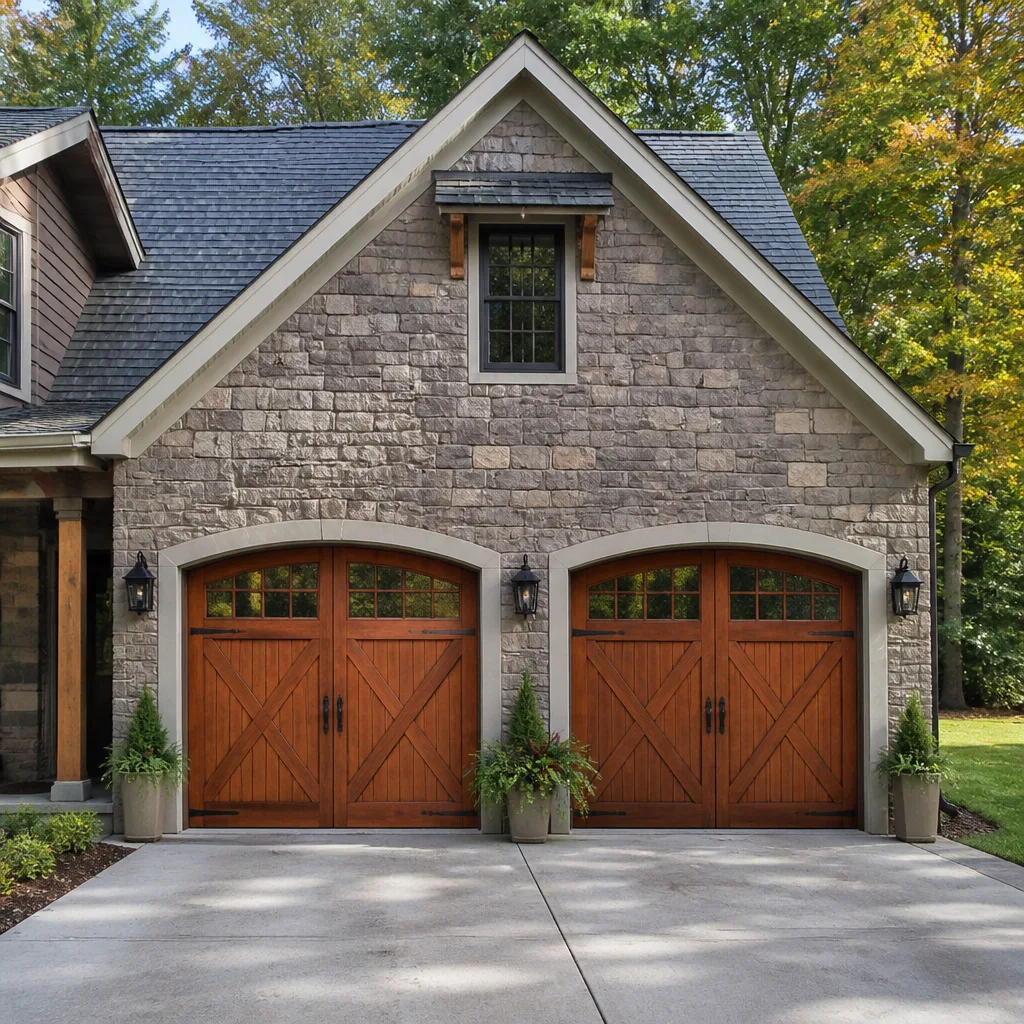 Carriage house
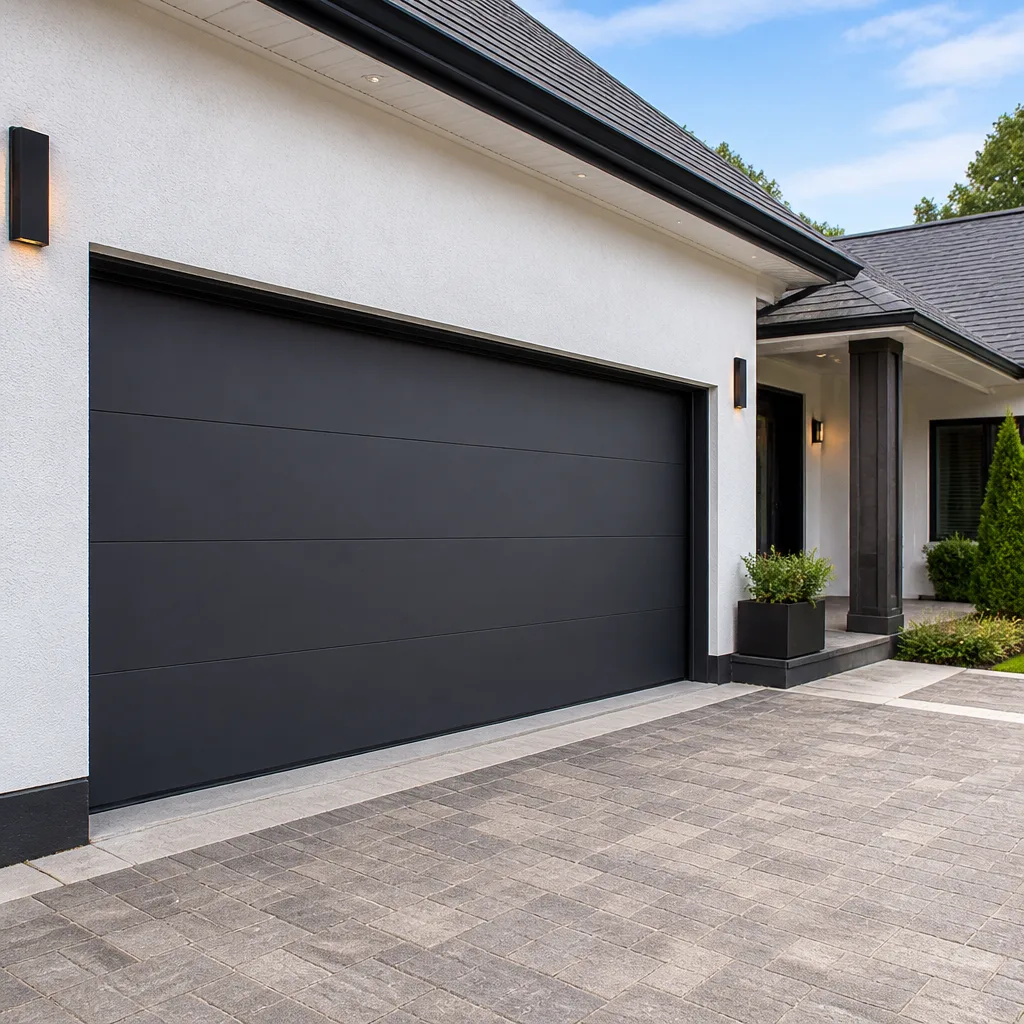 Modern flush
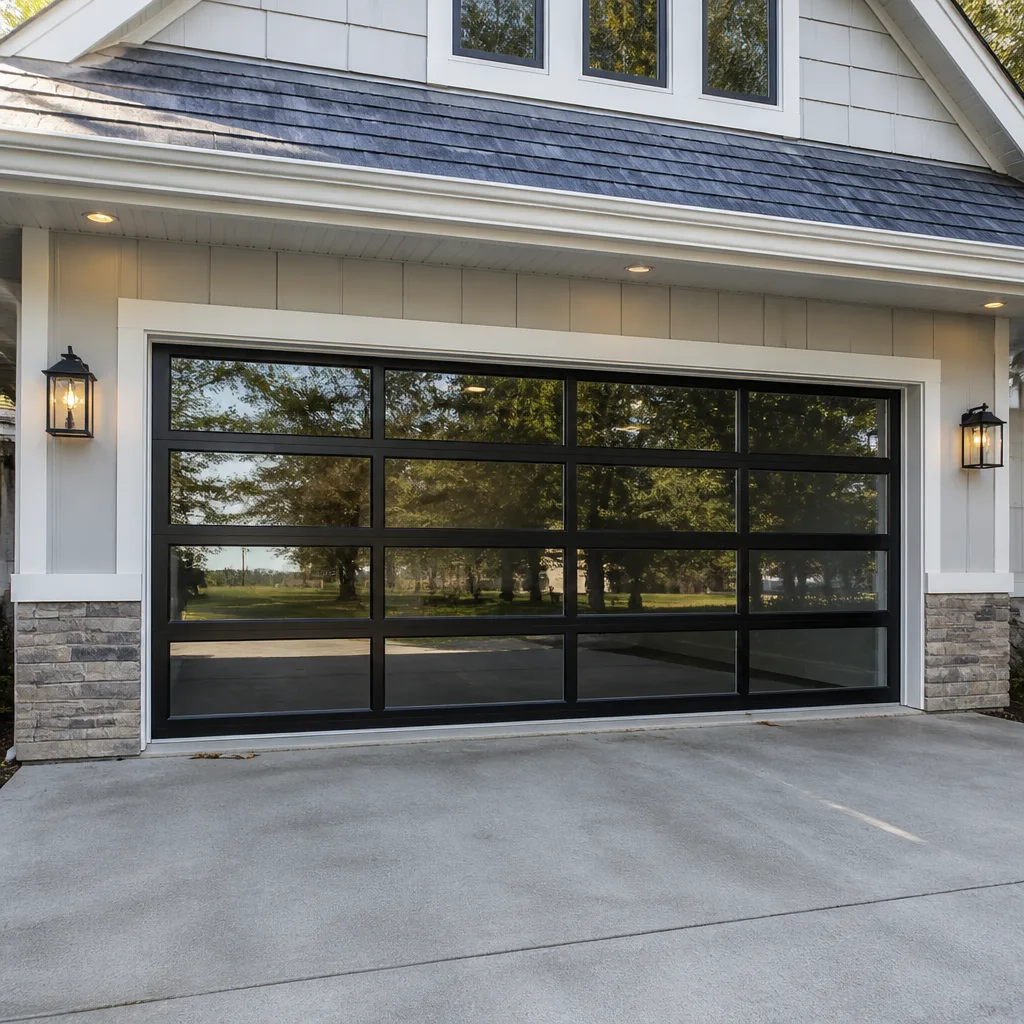 Full-view glass
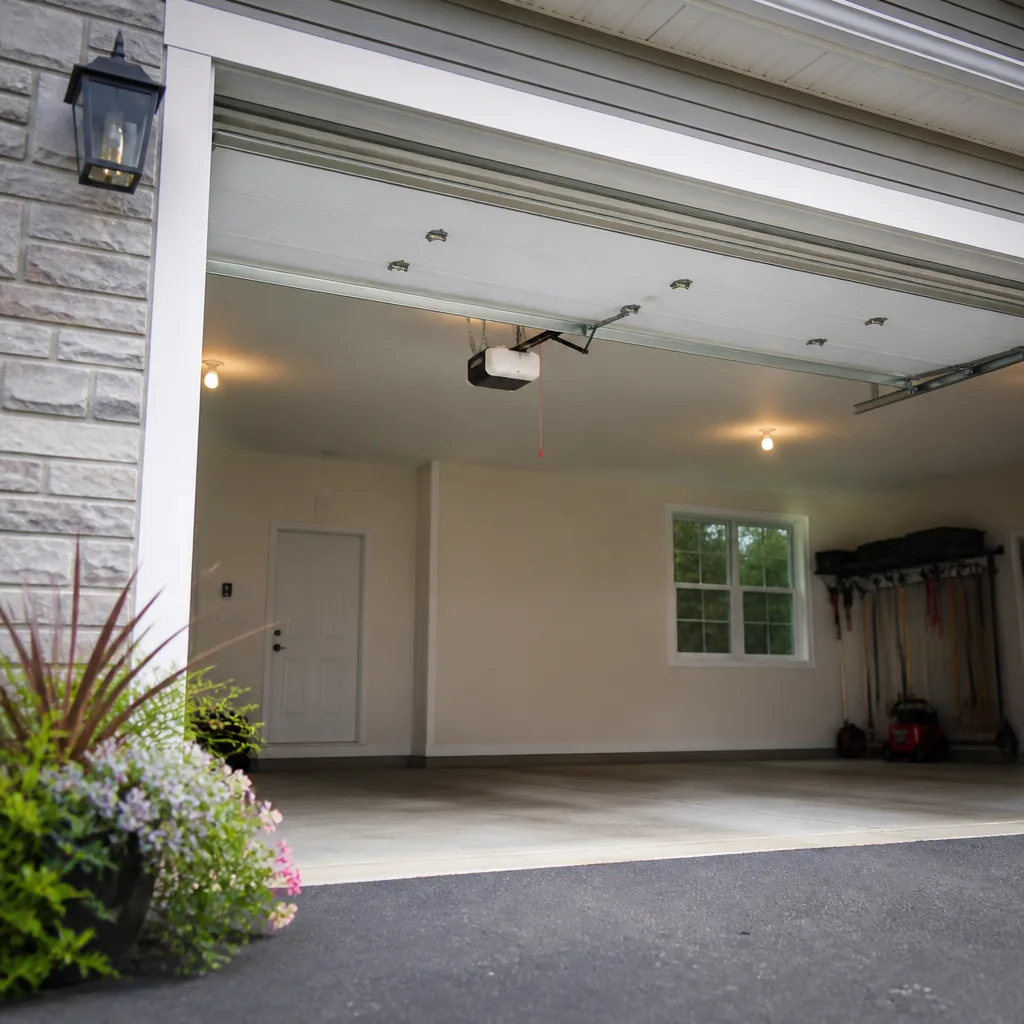 LiftMaster openers
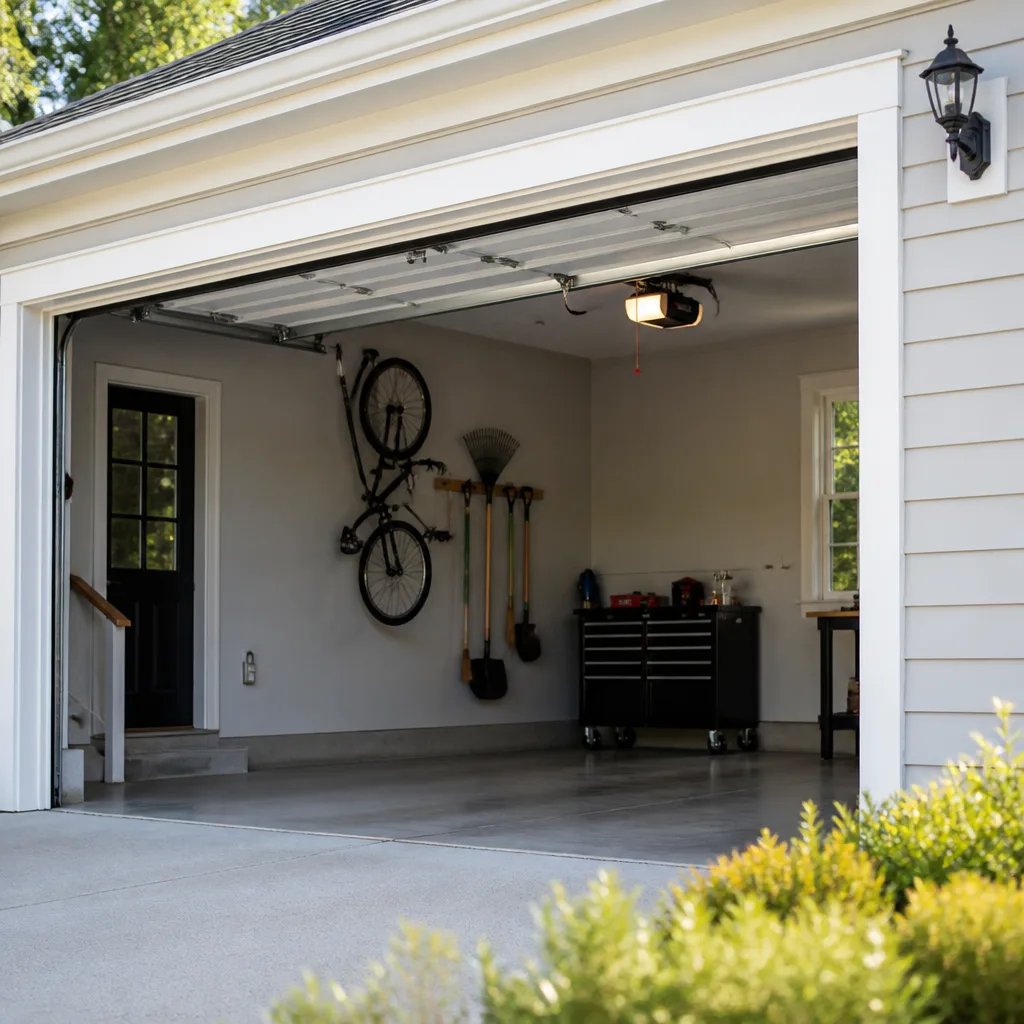 Chamberlain openers
Full 25-point door and opener safety check with every visit - springs, cables, rollers, tracks, and your LiftMaster or Chamberlain opener included
You get a price before we start. It does not change when the pro arrives.
Get your free estimateSeasonal Garage Door Care for Cape Coral: Year-Round Homeowner’s Guide
Most garage door maintenance advice you’ll find online is built around a four-season calendar: winter, spring, summer, fall. Cape Coral doesn’t work that way. Our year splits into two real threat windows – the dry-season heat cycle that runs through spring and early summer, and hurricane season, which shapes everything from May on. Garage door care here should be organized around those windows, not around a generic checklist borrowed from a colder climate. This guide walks through what to check and when, from pre-season wind bracing to post-storm inspection to the heat and humidity issues that quietly wear on openers and panels all year. If you want the short version, the Quick Answer below covers it.
Styles & brands we work with
- Raised-panel steel
- Carriage house
- Modern flush
- Full-view glass
- LiftMaster openers
- Chamberlain openers
Quick Answer
Garage door care in Cape Coral should be timed around two cycles: a pre-hurricane-season inspection each May covering wind bracing, bottom seal integrity, manual release function, and hardware torque – and a dry-season heat check that keeps an eye on your opener’s thermal behavior and moving parts through the hottest months. A yearly professional inspection in late spring, plus a quick homeowner walk-through after any named storm passes, covers the majority of what our climate throws at a residential door.
Table of Contents
- Why Cape Coral Garage Doors Age Differently
- Pre-Hurricane Season Checklist for May
- Post-Storm Inspection Protocol
- Dry-Season Heat Management for Your Opener
- Rainy Season Humidity and Panel Warping
- Year-Round Salt Air and Hardware Care
- Your Cape Coral Garage Door Care Calendar
- Common Mistakes to Avoid
- When to Call a Professional
- Frequently Asked Questions
- The Bottom Line
Why Cape Coral Garage Doors Age Differently
Cape Coral’s climate is hard on a garage door in ways that don’t show up in a standard maintenance guide. The door sits on an exterior wall facing prolonged heat most of the year, and the equipment inside the garage – the opener motor, the circuit board, the torsion spring – operates in a space that regularly climbs well above the outdoor temperature. Add the wind-driven rain and airborne moisture of the wet season, and you have a system that gets tested from two directions: heat from the inside and weather from the outside.
The practical result is that resident door systems often wear in a different pattern than in milder climates. Springs, which are under constant mechanical stress, are affected by temperature swings. Openers work harder in a garage that never fully cools. Hardware that gets exposed to moist air can show surface oxidation sooner than a homeowner expects. None of that means your door is failing – it means the inspection rhythm here is different.
Beyond climate, Cape Coral’s housing stock matters. Much of the city is built on canal-front and near-canal lots with significant sun exposure, and the mix of newer construction and older homes means you’ll find everything from recently installed impact-rated doors to original builder-grade openers still chugging along. A care plan that assumes “new door, low maintenance” or “old door, high maintenance” will miss the point. What matters is matching the inspection cadence to the actual equipment on your house.
For a full sense of what falls under routine garage door repair and what counts as inspection-only work, it helps to know the difference before a storm season forces the question.
Pre-Hurricane Season Checklist for May
May is the month to get ahead of the wind season. The goal of a pre-season walk-through is simple: confirm the door’s wind-resistance hardware is intact, the seals are doing their job, and the manual release works as designed. Start with these four areas, in order.
- Wind bracing hardware. Check any horizontal reinforcement struts or wind-load bracing the door was built or retrofitted with. Look at the attachment points where bracing connects to the door panels and the track, and confirm the fasteners are snug and free of corrosion. A loosened brace is a wind-load problem waiting for the next storm to find it.
- Bottom seal integrity. The rubber bottom seal blocks wind-driven rain and keeps debris out of the track. Run your hand along the seal and feel for gaps, hardening, or chunks missing. A brittle, curled seal invites water under the door and can also let the door close unevenly. Replacement seals are a simple fix; a neglected one can lead to water damage at the slab edge.
- Manual release testing. Pull the red release handle (the emergency release cord) while the door is closed to disconnect the opener from the door, then lift the door by hand. It should move smoothly with reasonable effort. If it’s heavy, jerky, or won’t stay open, the spring may be losing tension – get it checked before the season. Reconnect the release before you leave it.
- Hardware torque check. Inspect the hinges, roller brackets, and track bolts. Any that are loose, rusted, or missing should be tightened or replaced. Small fasteners coming loose under repeated heat cycling is common in Cape Coral, and catching them in May is far easier than chasing a wobbly door in August.
Our technicians have up to 14 years of experience with wind-load hardware on both impact-rated and older door systems, and can tell the difference between a door that’s ready for the season and one that needs a small repair first.
Post-Storm Inspection Protocol
After a named storm passes, don’t assume the door is fine because it still opens. Wind-driven rain and pressure changes can do subtle damage that shows up weeks later. Walk around the door and garage opening with a flashlight and check these areas.
- Tracks. Look for bends, buckled sections, or misalignment where the track meets the wall. A slightly bent track may still let the door roll, but it wears the rollers and can eventually jam. Check both vertical and horizontal sections.
- Panels. Inspect for dents, creases, or separation at the panel seams. Wind-driven debris can dent a panel without obvious exterior damage. Check the interior side too, especially near the hinges.
- Spring anchor plates and center bearing. The anchor plate holds the torsion spring under tension. Look for any sign of movement at the mounting bolts, cracks around the plate, or rust streaks indicating moisture intrusion. Any visible movement in the anchor plate is a call-a-professional situation, not a tighten-it-yourself one.
- Weatherstripping and seals. Check the perimeter weatherstripping and bottom seal for tears or displacement. Wind-driven rain often finds its way in through a seal that looked fine before the storm.
- Opener response. Cycle the door a few times and listen. Grinding or sluggish movement after a storm can mean the door is binding on the track or the opener is strains. If the opener is a LiftMaster or Chamberlain model with a force-adjustment feature, a sudden change in force settings can be a sign of mechanical resistance.
If anything looks off structurally – especially the spring assembly – stop cycling the door and get it inspected. Springs hold enormous stored energy, and a damaged anchor plate or weakened spring is genuinely dangerous to operate.
Dry-Season Heat Management for Your Opener
Cape Coral’s dry season isn’t gentle on garage doors. The garage is a heat trap, and the opener circuit board is often the first component to show symptoms. Repeated 90°F-plus days cause opener boards to run hotter than they would in cooler climates, and the failure often shows up as intermittent problems at first – the door works in the morning, hesitates in the afternoon, then one day it won’t open at all.
Most modern openers, including common LiftMaster, Chamberlain, Genie, and Craftsman models, have thermal protection built in. When the board or motor reaches its threshold, it will shut down temporarily rather than let itself overheat. If you notice the opener cutting out and then working again after a cooldown, you’re seeing a thermal cutoff, not a random glitch. That’s your signal to check the surrounding conditions.
Signs of an overheating opener
- The opener stops mid-cycle and won’t respond for several minutes, then works again
- The status light on the opener flashes an error pattern more often in hot weather
- The door moves slower or sounds louder after the garage has been closed up all day
- The remote works sometimes but not others, with no pattern in the fob itself
What to do about it
- Give the opener breathing room. Remove boxes, stored items, and insulation materials that block airflow around the opener unit and the ceiling-mounted housing.
- Check the force and travel settings. If the door itself is binding slightly, the opener works harder and runs hotter. A professional can verify the door’s balance and adjust the opener’s force settings to match.
- Inspect the opener’s ventilation and the garage’s overall airflow. If the garage has no roof vent or window, adding cross-ventilation is a low-cost fix that helps the entire space during the dry season.
- If the opener cuts out repeatedly, stop using it and have it checked – a failing board isn’t something to push through the heat. This is where a straight garage door opener repair call saves you from a bigger failure later.
Heat management also means looking at the springs. Torsion springs that have cycled thousands of times in a hot environment are more likely to fail, and a broken spring is the most common reason a door won’t lift. If you hear a loud bang from the garage and the door won’t budge, that’s almost always a spring failure – and it’s a job for trained hands.
Rainy Season Humidity and Panel Warping
Rainy season brings a different problem: moisture. Where a door’s end panels, bottom section, or composite components absorb humidity, they can warp, bow, or separate. Wood-composite and wood-framed panels are most affected, but even steel doors have seams and end stiles that can hold water. When a panel warps, the door binds against the track and forces the opener to work harder. Over time, that binding can damage the opener itself.
How to catch warping before it binds the door
- Look along the panel seams for gaps that open up during the wet months. A panel that was flush in spring but shows daylight in July is telling you something.
- Run the door up and down slowly and watch the bottom edge. If it drags, catches, or leaves scrape marks on the track, you likely have a warp or a track misalignment.
- Check the bottom of the door near the slab. A swelling or frayed bottom seal lets water sit against the panel edge, and that’s where warping often starts.
Prevention during the wet season
- Keep the bottom seal intact. A dry, well-seated seal keeps water off the panel edges.
- Clear debris from the track channels after heavy rain. Wet leaves and grit that collect in the track hold moisture against the door.
- Check the perimeter weatherstripping where the door meets the frame. If it’s degraded, it’s letting humid air into the garage.
- Never ignore a binding door. Bedding the door in during a warping issue accelerates wear on the opener and the springs.
If you’re unsure whether a panel is genuinely warped or just dirty, have it looked at. A trained technician can tell the difference in a few minutes, and catching a warp early usually means a small adjustment rather than a panel or door replacement.
Year-Round Salt Air and Hardware Care
Living on or near Cape Coral’s canal system means hardware sees air that carries moisture much of the year. Steel hinges, roller shafts, track bolts, and spring anchor bolts are the first to show oxidation. You’ll usually notice it as a chalky or rust-colored film on the metal, especially at the pivot points and fasteners.
There’s a simple six-month rhythm that keeps hardware in good shape.
- Every six months: clean and inspect. Wipe down the hinges, rollers, and track with a dry cloth to remove surface grime and any early oxidation. Don’t use a heavy lubricant on the track itself – it attracts grit. A proper garage door lubricant on the hinges, rollers, and springs (not the tracks) is the right product.
- Every six months: check fasteners. Tighten any loose hinge screws or track bolts with a screwdriver or socket – but stop if a fastener feels stripped or the anchor plate shows movement. Spring anchor hardware should never be adjusted by anyone other than a technician.
- Every six months: test the balance. With the door disconnected from the opener (using the manual release), lift the door halfway. It should stay roughly in place. If it rises or falls on its own, the spring tension needs attention.
Our parts supply is a real advantage here: because we source and supply common parts like rollers, hinges, seals, and springs, a hardware issue caught at the six-month check usually means one visit rather than a “we have to order it” wait. Brands like Raynor and Clopay are supported along with the others we work on, so you’re not stuck with a generic replacement for a door that takes a specific part.
If you’re ready for a full replacement rather than continued repair, our garage door installation service covers the full process from measure to final adjustment.
Your Cape Coral Garage Door Care Calendar
Here’s a practical year-round rhythm organized around our two real seasons. Adjust it to your equipment, but don’t skip the May inspection.
- March-April (end of dry season): Full balance test, hardware wipe-down, opener force/travel check. This is the best window for any pre-season repair, because it’s before storm season and before the garage hits peak heat.
- May (pre-hurricane season): Complete the four-point checklist above – wind bracing, bottom seal, manual release, hardware torque. Book a professional inspection if you’re unsure about any of it.
- June-November (hurricane season): After any named storm, run the post-storm inspection. Outside of storms, do a monthly visual check of the tracks and seals.
- December-February (dry, cooler months): Catch up on any repairs deferred during storm season. Test the opener and springs when the garage is more comfortable to work in.
Each inspection has a logic: pre-season is about wind resistance, storm-season is about damage assessment, and the dry months are for repair and adjustment. Miss a window and the cost of catching up grows.
Common Mistakes to Avoid
- Ignoring a thermal shutdown. An opener that cuts out in the afternoon heat and works again later isn’t “fine.” Persistent thermal cutoffs can indicate a failing control board, and pushing an overheated unit shortens its life.
- Forcing a warped or binding door. If the door drags or the opener strains, stop cycling it and find out why. Running a binding door damages the opener, the springs, and the tracks.
- Lubricating the tracks. Many homeowners spray lubricant on the track to make it quieter, but that attracts grit and slows the door. Lubricate the hinges, rollers, and springs, not the tracks.
- Adjusting the springs yourself. Torsion and extension springs are under extreme tension and can cause serious injury if mishandled. This is the one part of garage door care that should always be done by a trained technician.
- Skipping the May wind check. Assuming your door “handled last year’s storms” without inspecting the bracing and fasteners is how a small loose bolt becomes a bigger repair. The wind-load hardware needs a pre-season look, every year.
- Skipping the post-storm inspection. A door that opens after a storm isn’t necessarily undamaged. A bent track or nudged spring anchor can cause wear that shows up months later.
- Treating every problem as a reason to replace the door. Most issues – a noisy opener, a broken spring, a worn seal, a bent track – are repairs. Replacement is the right call only when the door itself is structurally compromised or beyond economical repair.
When to Call a Professional
Some garage door work is safe to do yourself: wiping down hardware, checking the bottom seal, testing the manual release, and clearing track debris. The line to call a professional is a spring, a torsion assembly, a bent track, or an opener with an electrical or control-board fault. Springs are the big one. Torsion and extension springs store dangerous energy, and a spring that fails or is released incorrectly can cause serious injury. If your door won’t lift, make a loud bang, or the spring assembly looks damaged, don’t force it.
The same rule applies if an opener keeps cutting out in the heat, if a track is visibly bent, or if the door binds after heavy rain. These are all jobs trained technicians handle safely, and early intervention is cheaper than waiting for a failure.
Our technicians have up to 14 years of experience, and we handle spring repair in-house – it’s one of the most dangerous DIY garage door tasks, done by trained technicians. Cape Coral Garage Door Repair Co offers free estimates in Cape Coral – call (855) 658-4296. We answer 24/7 with fast dispatch from 7am to 7pm.
Frequently Asked Questions
The most useful time is May, right before hurricane season, for the wind-bracing and seal check. The best overall window for a full professional inspection is late spring (March-April), so any required repairs can be handled before summer heat and storm season overlap.
Heat buildup inside the garage can trigger the opener’s thermal protection and cause it to shut down temporarily. If the opener cuts out during hot afternoons and works again after cooling, have it checked – persistent thermal cutoffs can indicate a failing control board or a door that’s binding and making the opener work harder. Call (855) 658-4296 for a free estimate.
Check the tracks for bends or misalignment, the panels for dents and seam separation, the spring anchor plate for movement or rust, and the perimeter seals for tears. Cycle the door once and listen for grinding. If anything looks structural – especially the spring assembly – don’t operate the door and call a professional.
No. Torsion and extension springs are under extreme tension and can cause serious injury if released or handled incorrectly. Spring repair is a job for trained technicians. Call (855) 658-4296 and we’ll take a look – estimates are free.
Wood-composite and wood-framed panels can absorb moisture and warp, and steel doors can trap water at seams and end stiles. Warping makes the door bind against the track, which strains the opener. Watch for drag marks, daylight at seams, and a bottom edge that catches during the wet months.
Every six months is a good rhythm for cleaning, inspecting, and lubricating hinges, rollers, and springs, plus checking fasteners. Add the May pre-season wind check and a post-storm walk-through after any named storm, and you have the full picture.
The Bottom Line
Cape Coral garage door care isn’t a spring/fall routine – it’s built around the two seasons that actually stress your door. In May, check the wind bracing, bottom seal, manual release, and hardware torque before storm season. After any named storm, inspect the tracks, panels, spring anchor plate, and seals. Through the dry season, watch the opener for thermal cutoffs, and through the wet season, watch for warping and binding. Keep the hardware clean and checked every six months, and leave the springs and any structural work to a professional. When in doubt, call us at (855) 658-4296. We answer 24/7 with fast dispatch from 7am to 7pm, and estimates are free.
Our team works on the brand you already have – LiftMaster, Chamberlain, Genie, Clopay, Amarr, Wayne Dalton, Craftsman, and Raynor – so a seasonal inspection is also a good time to confirm your system is set up right for the season ahead. For the full range of what we handle, from Cape Coral Garage Door Repair Co to spring repair and parts, we’re one call away.
Call (855) 658-4296 for a free estimate. We answer 24/7. Fast dispatch from 7am to 7pm, Sunday through Friday.
Written by the team at Cape Coral Garage Door Repair Co.
See the difference
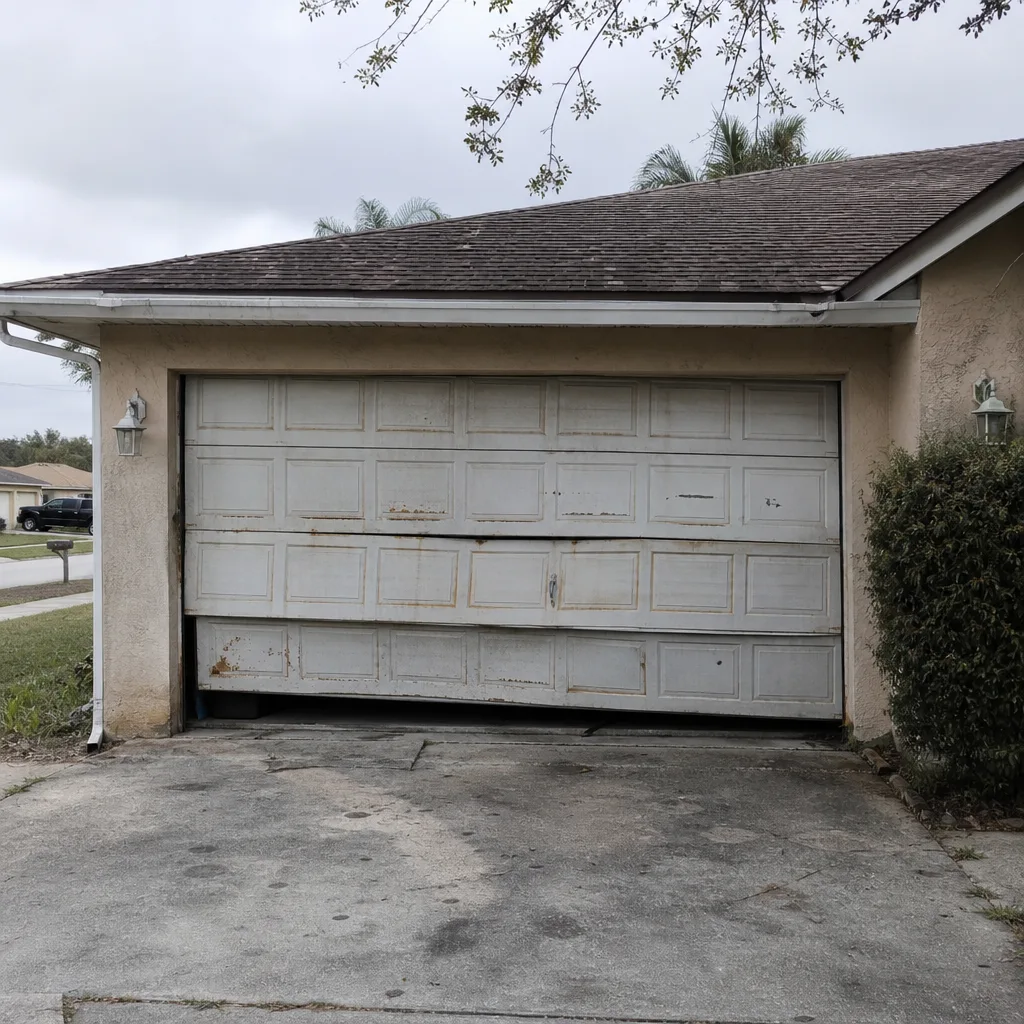 Before
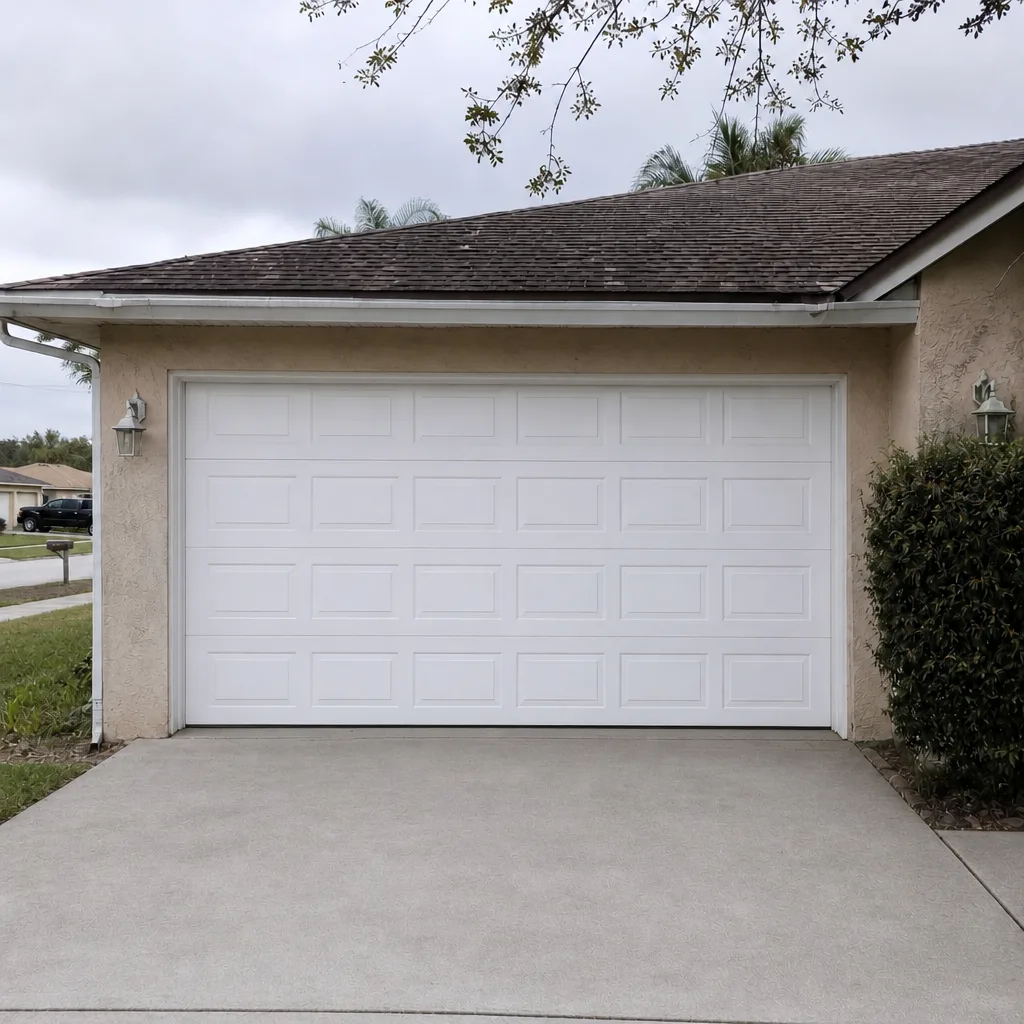 After
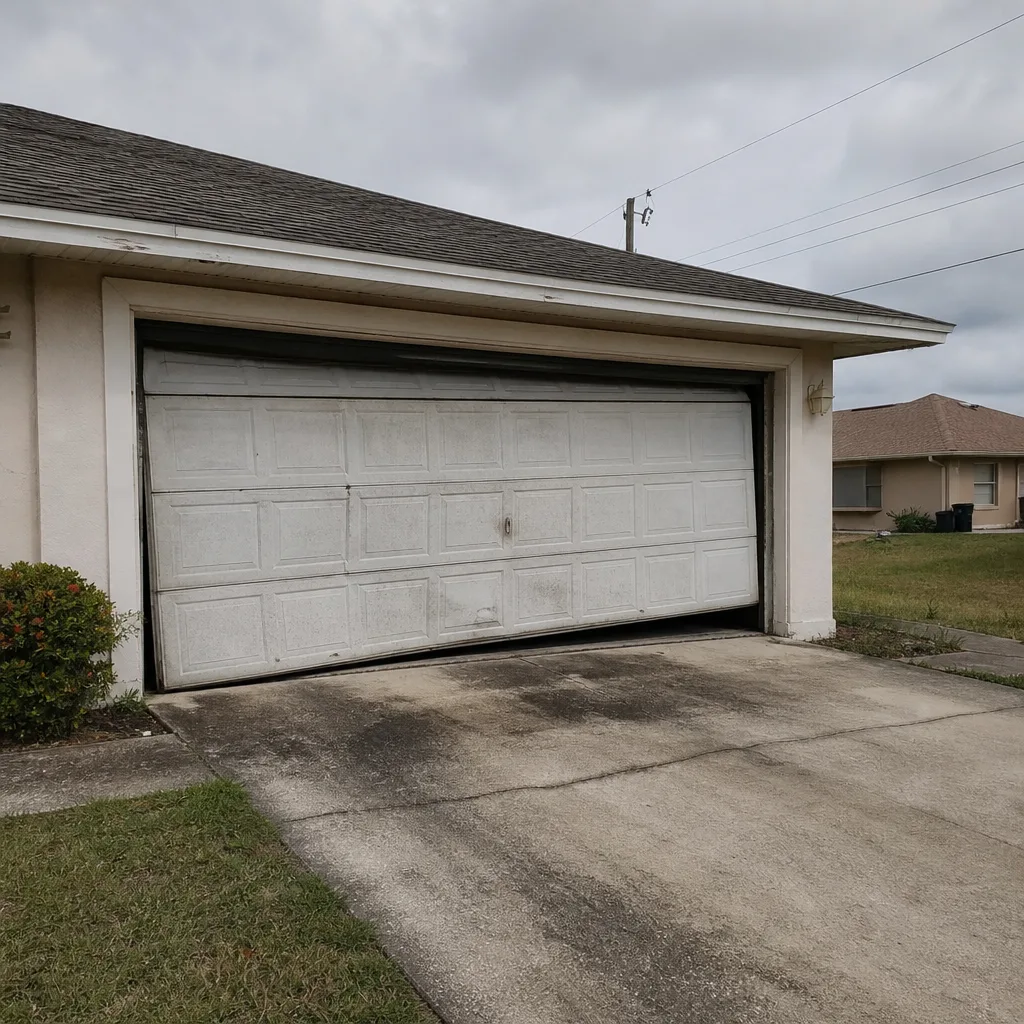 Before
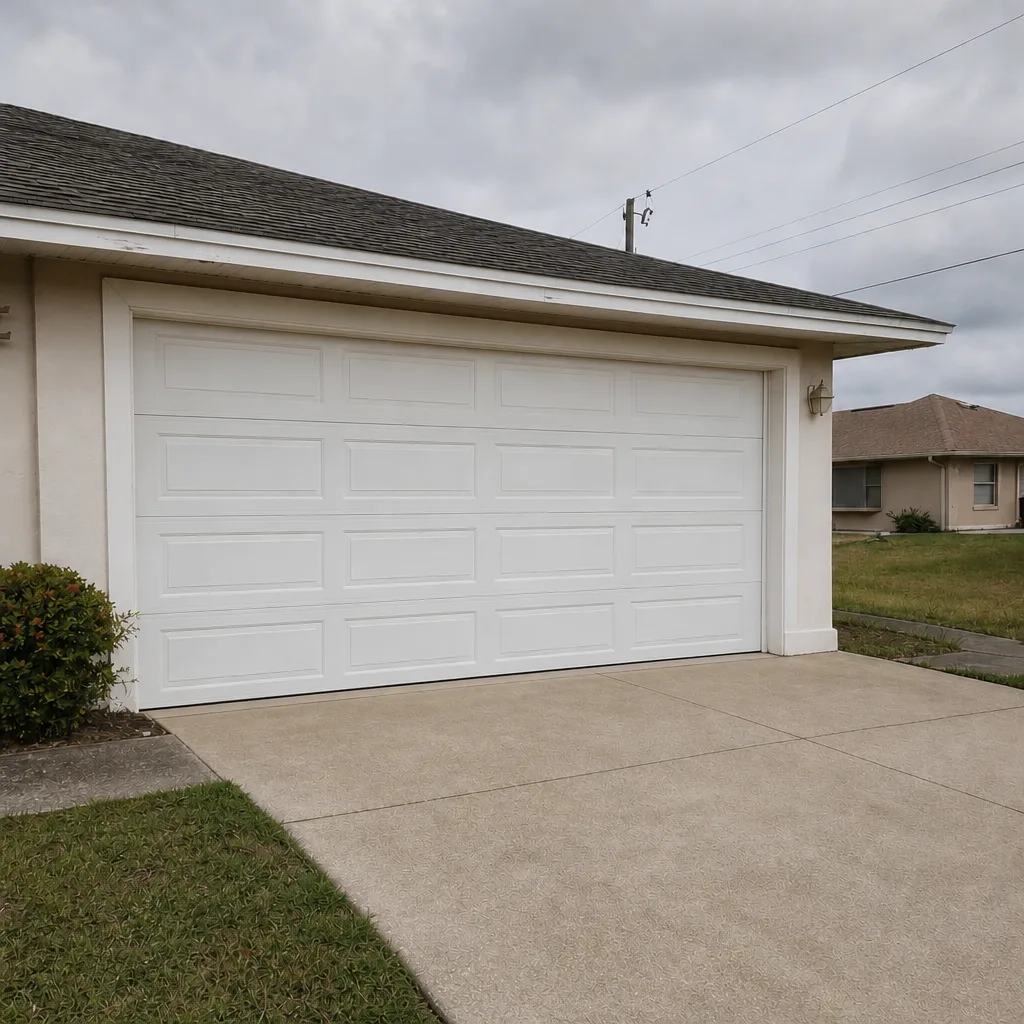 After
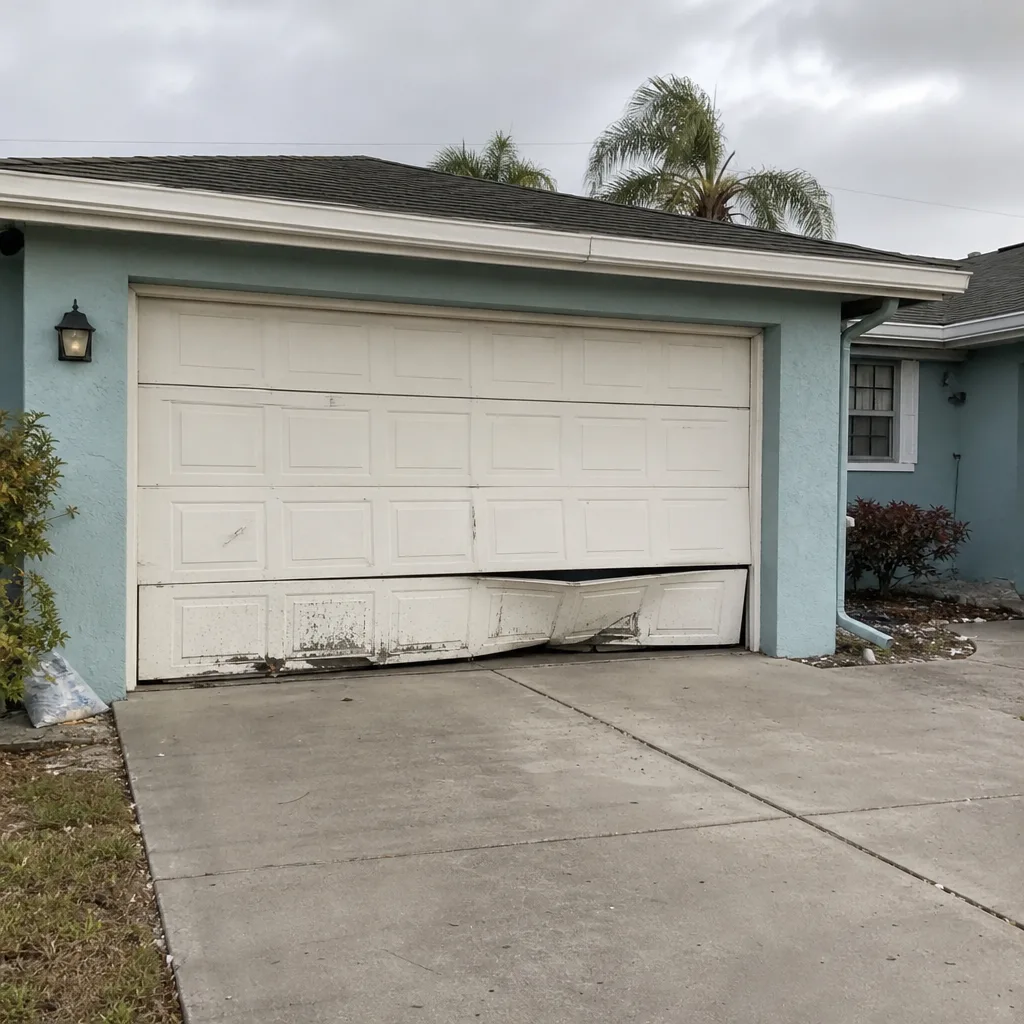 Before
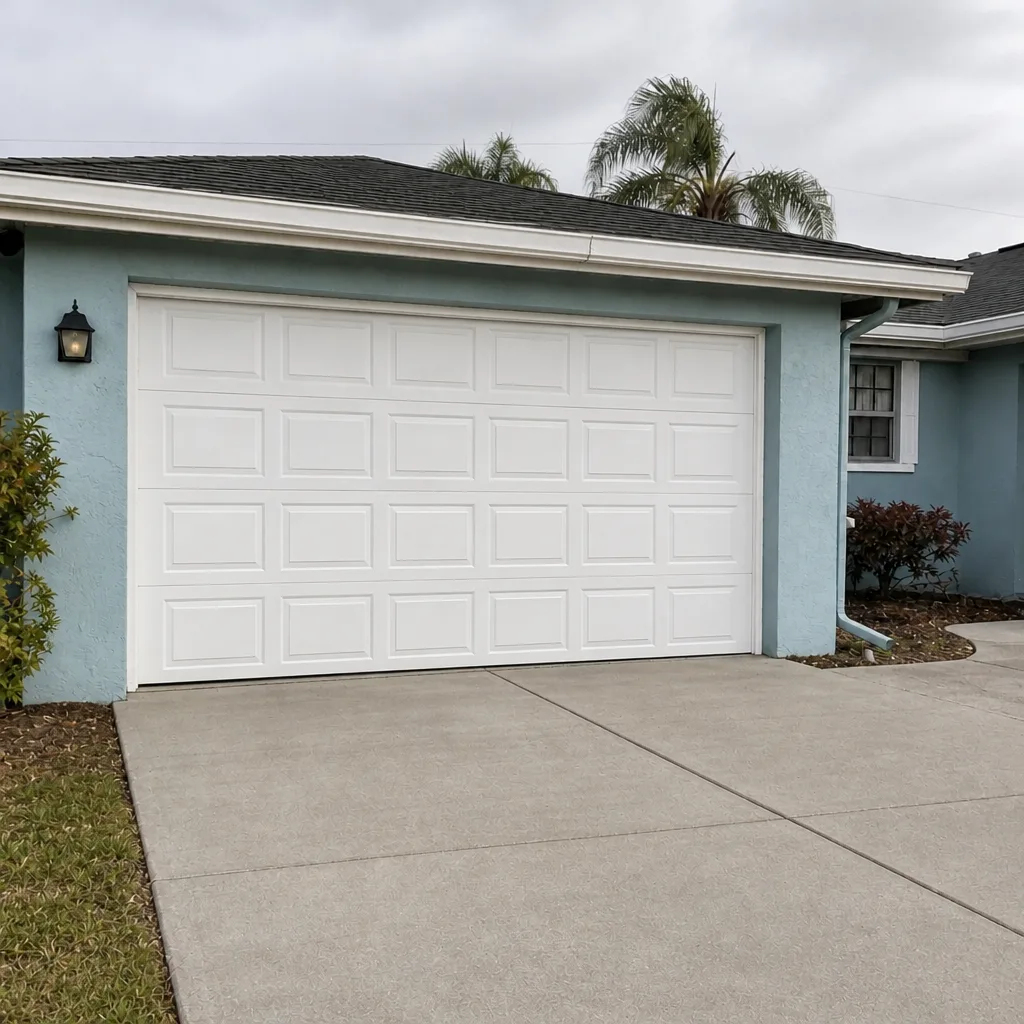 After