
Last updated November 21, 2026
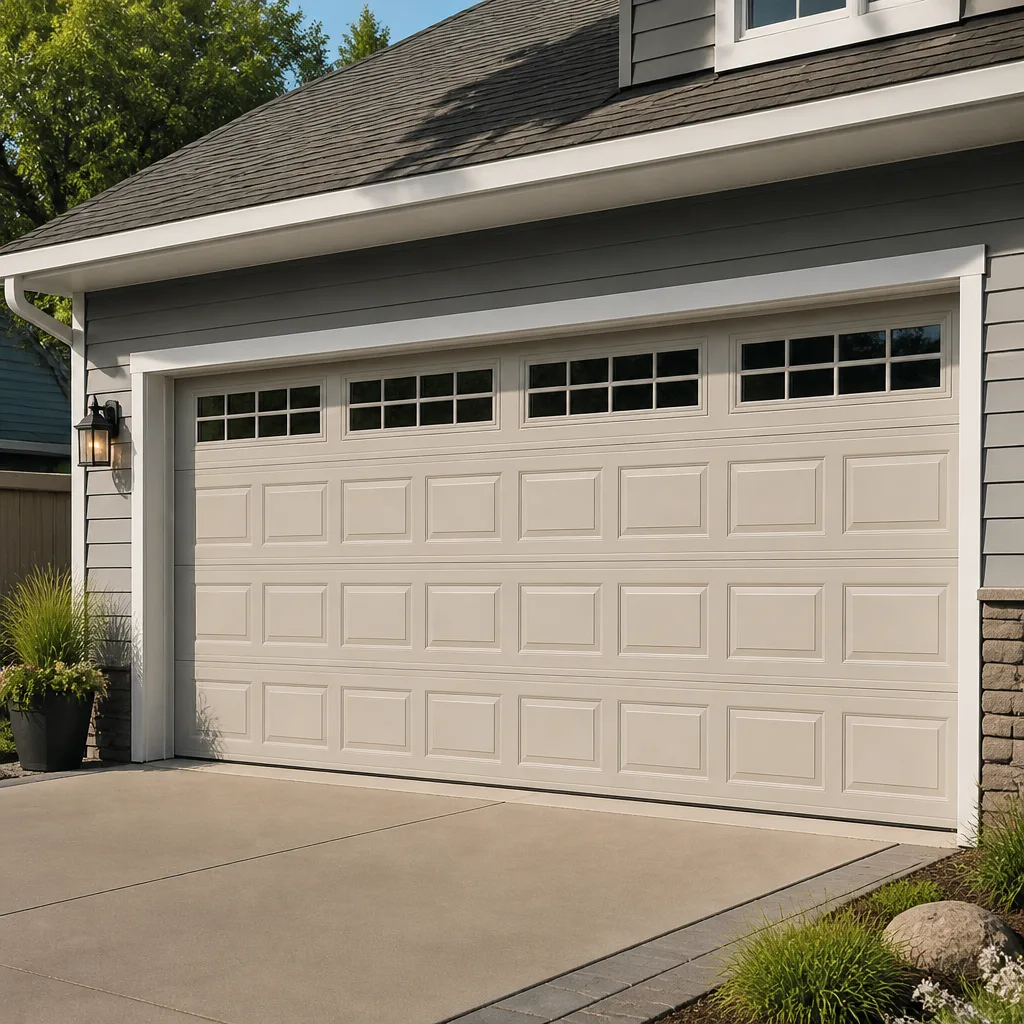 Raised-panel steel
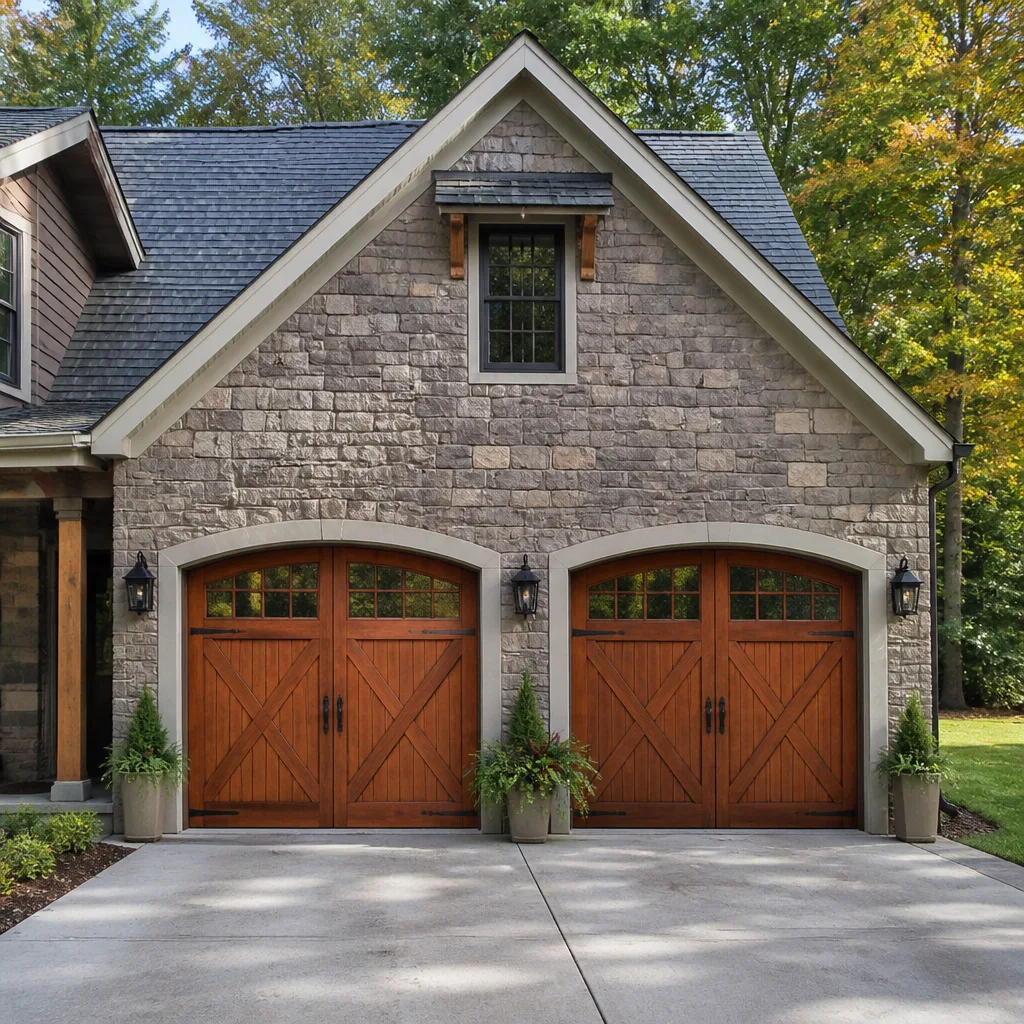 Carriage house
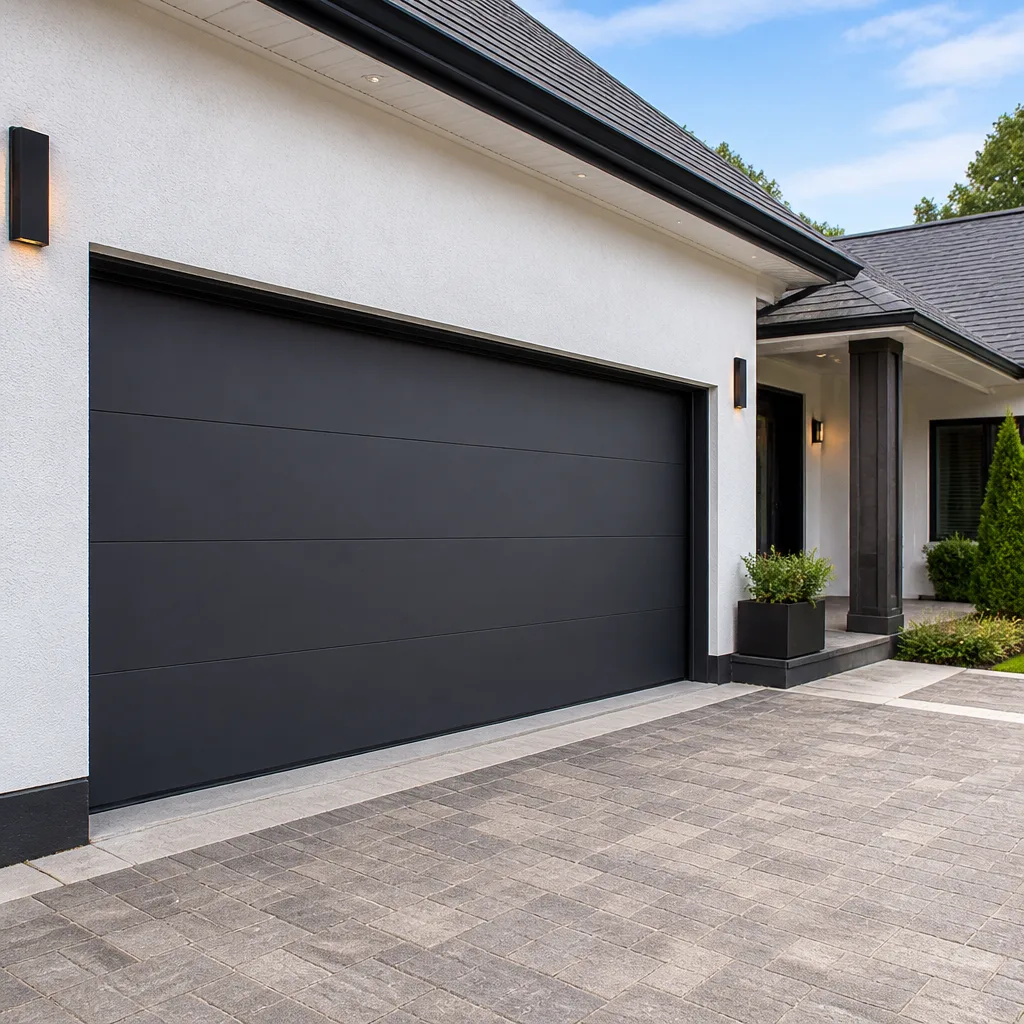 Modern flush
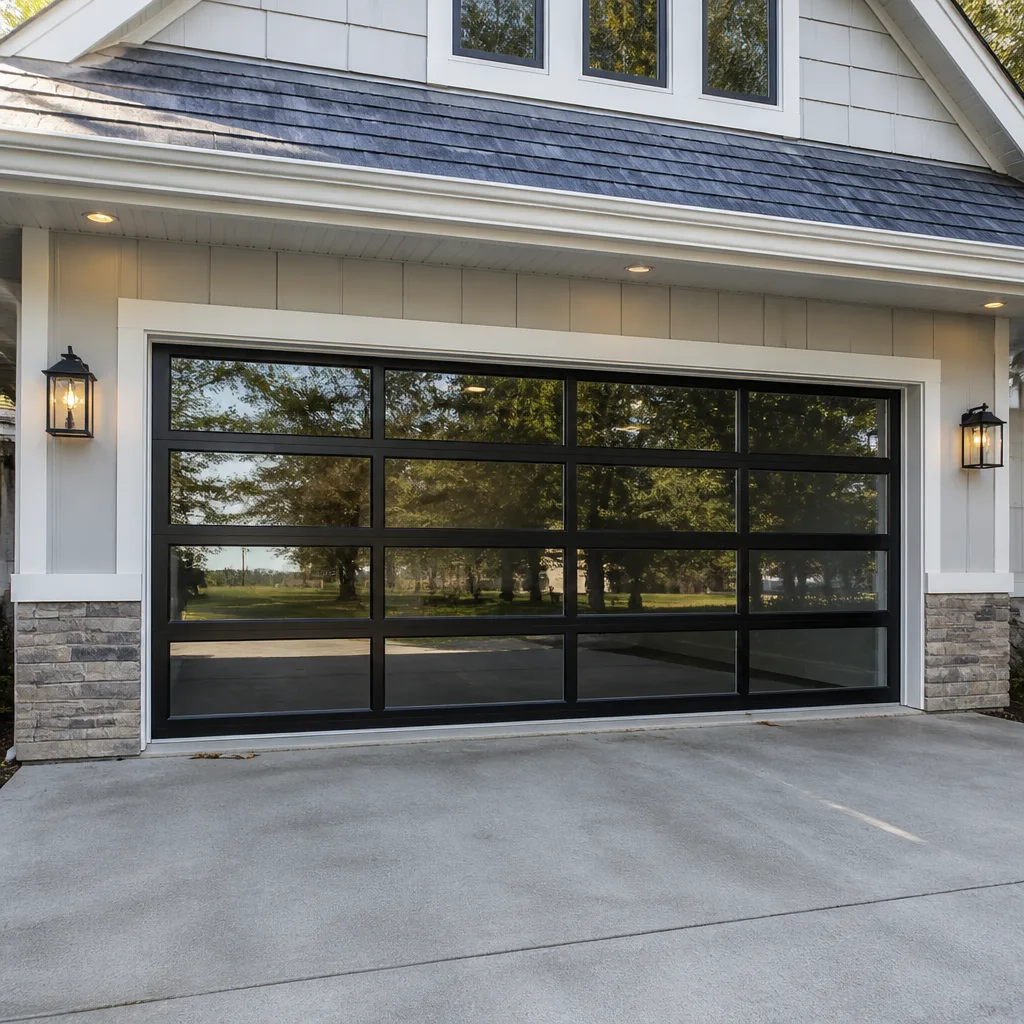 Full-view glass
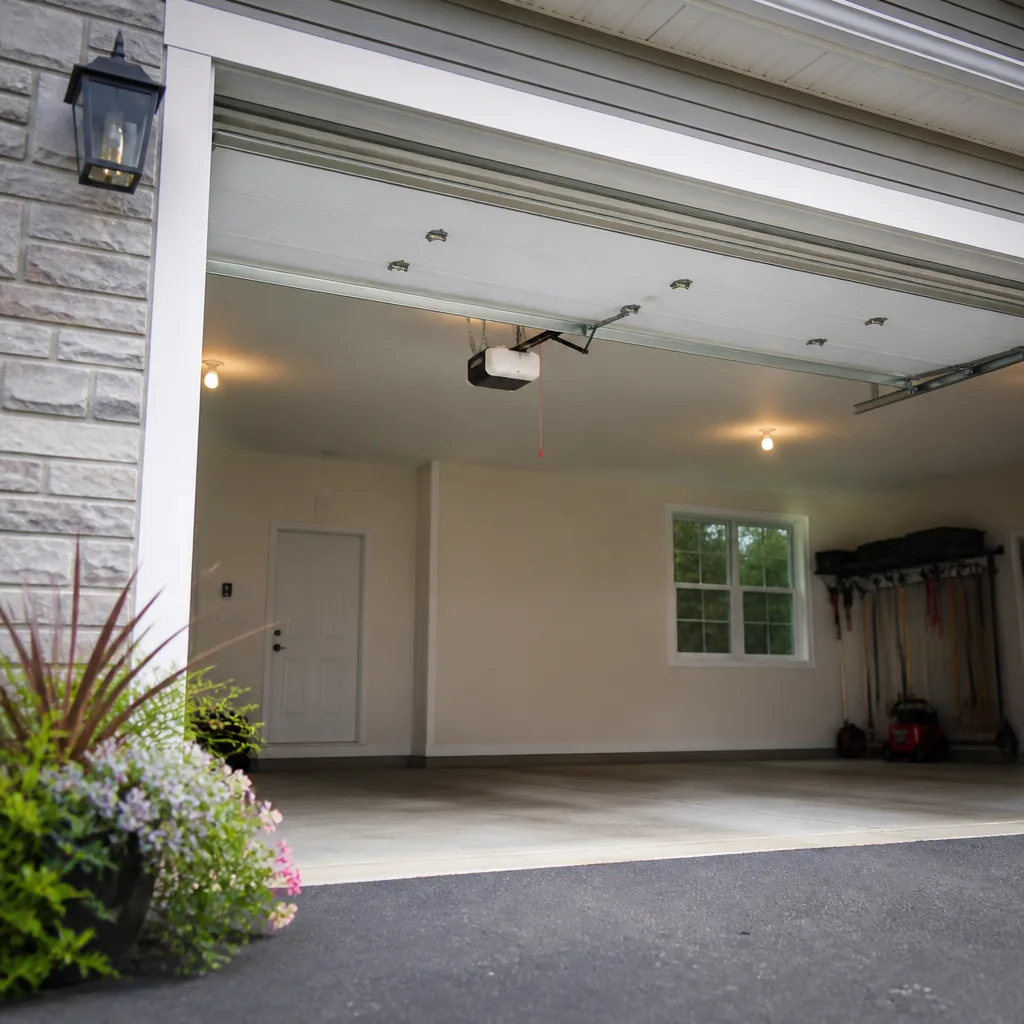 LiftMaster openers
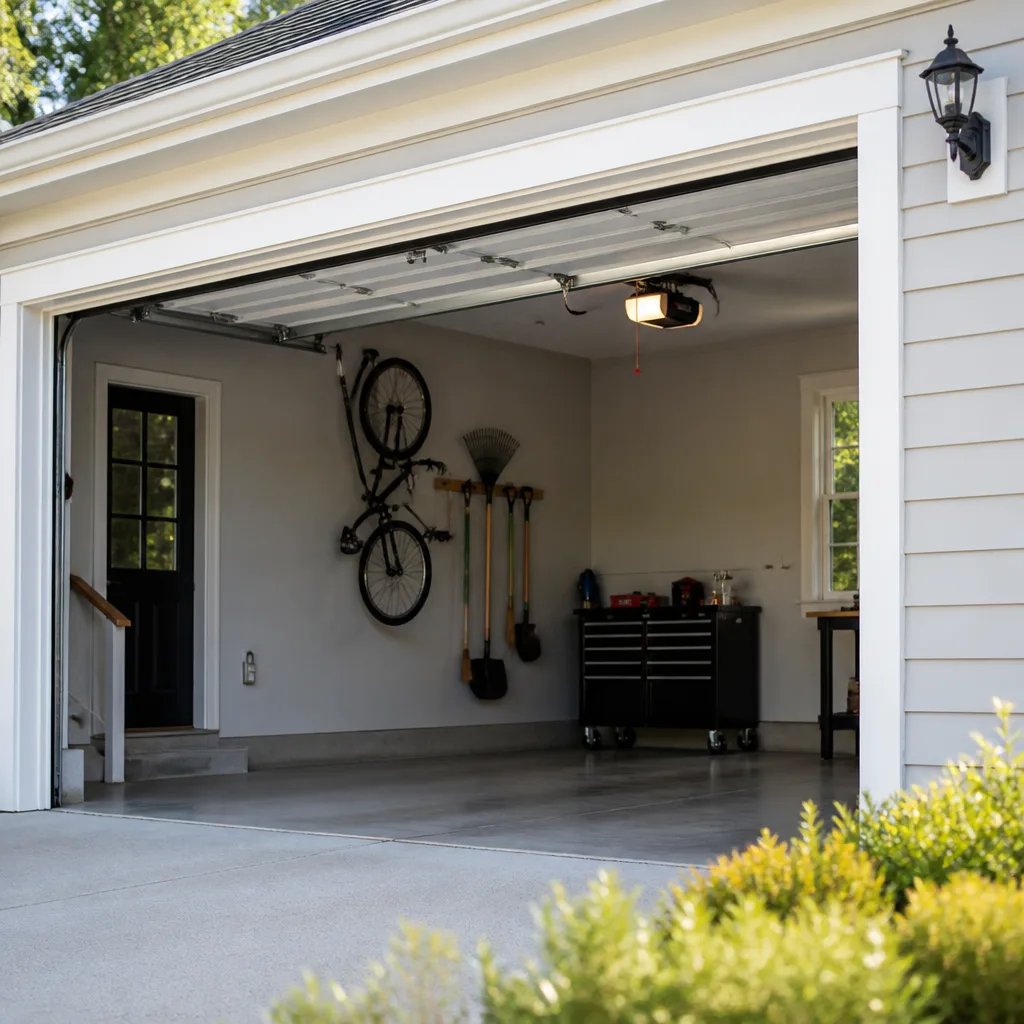 Chamberlain openers
Full 25-point door and opener safety check with every visit - springs, cables, rollers, tracks, and your LiftMaster or Chamberlain opener included
You get a price before we start. It does not change when the pro arrives.
Get your free estimateHow to Hire a Garage Door Contractor in Cape Coral: A Step-by-Step Guide
Most homeowners in Cape Coral hire a garage door contractor the same way they’d hire a painter: call the first name that shows up, ask what it costs, book the job. That works fine for painting a hallway. It doesn’t work for a garage door, because the thing hanging over your car is a balanced mechanical system under serious stored tension, and the person who shows up to service it may carry a license that has nothing to do with that work. In Florida, a general handyman license covers jobs up to a set dollar limit per job, which means a lot of garage door calls get answered by someone whose real training stops well short of a torsion spring. This guide walks through how to tell a genuine garage door specialist in Cape Coral from a generalist before you let anyone start work.
Quick Answer
To hire a garage door contractor in Cape Coral, verify the company’s license type on the Florida DBPR website, confirm it carries general liability and workers’ compensation coverage, insist on a written itemized quote before any work begins, and ask brand-specific questions about your existing opener and springs. A real specialist will answer those questions without hesitation and will document everything. A generalist will get vague, and that’s your signal to keep looking.
Styles & brands we work with
- Raised-panel steel
- Carriage house
- Modern flush
- Full-view glass
- LiftMaster openers
- Chamberlain openers
Table of Contents
- Which Florida license types actually cover garage door work?
- How do you verify a contractor on the DBPR website in under two minutes?
- Why “insured” isn’t enough, and what to ask for specifically
- What a trustworthy quote looks like, and what red flags look like
- How to tell whether a company stocks parts or just orders them
- Questions that reveal real brand expertise
- Hurricane questions every Cape Coral homeowner should ask
- Why spring and opener work is a safety job, not a DIY project
Which Florida license types actually cover garage door work?
This is the first question, and it’s the one most homeowners skip because it feels rude to ask. It isn’t. In Florida, contractors fall into broad categories, and not all of them are created equal for the kind of work a garage door represents.
The state licenses contractors through the Department of Business and Professional Regulation (DBPR). Within that system, a general, building, or residential contractor license allows work on structures, but garage door installation and repair is a specialty trade that doesn’t neatly fit the big general categories. A handyman or “limited” license has a per-job dollar cap, which means it legally can’t cover higher-value work like a full door replacement or a major opener job. If a company can’t tell you its license classification without looking it up, that’s a fair warning sign.
Here’s the practical breakdown for a Cape Coral homeowner:
- State-certified general, building, or residential contractor: broad authority, but may subcontract the specialty work.
- Specialty contractor licenses: the category that most closely matches garage door installation and repair as a trade.
- Handyman or limited license: capped per job, and the cap is low enough that it can’t legally cover many garage door jobs.
What this means in plain terms: a generalist may be perfectly licensed for a lot of jobs and still not be the right person for the work on the panel above your car. When you call a garage door specialist in Cape Coral, ask which license classification they hold and what that license allows them to do. A professional answers that question easily. If the answer wanders, treat it as a “thank you, we’ll think about it.”
You can read more about how we handle garage door repair and what the work actually involves.
How do you verify a contractor on the DBPR website in under two minutes?
Verifying a license on the Florida DBPR website is fast and free. Go to the DBPR license lookup, enter the company name or license number, and check three things: that the license is active, that the license type matches the work, and that the name on the license matches the company that quoted you. That last step catches a lot of mismatches.
Here’s the exact sequence, in order:
- Ask the company for its license number before anything else. A licensed company gives it without hesitation.
- Open the DBPR license search page (it’s a public state site, no login needed).
- Search by the license number, not just the company name, because names get altered easily and numbers don’t.
- Confirm the status reads “Active.” Then confirm the license type matches garage door or specialty work. If it reads as a handyman or limited classification, ask the company how it covers your specific job within that cap.
- Check the name on the license against the name on the quote and the name on the truck.
Two minutes of lookup is the cheapest insurance you’ll ever buy on a garage door job. If a company in Cape Coral resists giving you a license number, that’s not a technicality to argue about. It’s your exit signal.
The verification step matters even more because of how Cape Coral’s housing stock is built. A large share of homes here were constructed during the 2000s boom, which means many garage doors and openers are now old enough to be at the end of their service life and due for major repair or replacement. That’s a lot of work in the market, and a lot of opportunity for unqualified operators to step into it.
Why “insured” isn’t enough, and what to ask for specifically
“We’re fully insured” is what every company says. It means almost nothing on its own. The useful question isn’t whether the company is insured, but what kind of coverage and at what limits, and whether the people doing the work are covered by workers’ compensation.
General liability protects you if the crew damages your property or someone gets hurt on your property. Workers’ compensation covers the workers themselves if they’re injured on the job. If a worker is injured in your garage and the company doesn’t carry workers’ comp, the liability picture gets uncomfortable fast. Ask for both, in writing.
The four things to request:
- A current certificate of general liability insurance, with the coverage limit visible. Don’t accept a verbal assurance.
- A certificate of workers’ compensation coverage for the people who’ll actually be on site, not just the company as a legal entity.
- Confirmation that subcontractors, if any, carry their own coverage. A company that uses uninsured subs passes that risk to you.
- A written quote that names the company you verified. Consistency across license, insurance, and quote is the tell.
One caveat worth saying plainly: because we connect Cape Coral homeowners with independent local professionals, the coverage details live with the individual professional who performs the work. The local pro is licensed and insured as their state requires, and you should always ask to see both certificates before work begins. That’s not a sign of distrust. It’s the standard the good ones expect you to hold them to.
What a trustworthy quote looks like, and what red flags look like
A legitimate garage door quote is written down, itemized, and handed to you before anyone picks up a tool. It separates the parts from the labor. It names the specific spring, cable, roller, or opener model. And it doesn’t expire in the next hour to pressure you into saying yes on the spot.
Here’s what a good quote includes, and what a bad one hides:
- Good: parts cost and labor cost shown separately, so you can see what you’re paying for.
- Good: the specific brand and model of any replacement part.
- Good: a written estimate on paper or email, with the final price set by that estimate.
- Red flag: a single lump sum with no breakdown.
- Red flag: refusal to itemize parts versus labor.
- Red flag: “this price is only good today” pressure, especially if a full replacement is suddenly the recommendation.
- Red flag: a quote that jumps once the technician is on site, with no written change order to explain why.
If a company pushes hard for a full door replacement when you called about a broken spring, slow down. Repair first, replacement only when it genuinely makes sense, is the correct order of operations. A sprung spring on a door that’s otherwise sound doesn’t need a new door. If the door itself is bent, rotted, or has structural damage, then replacement belongs in the conversation. The right contractor tells you which, and explains the reasoning.
For a clear picture of what new work entails, including what gets measured and ordered, see our garage door installation page.
How to tell whether a company stocks parts or just orders them
This is a subtle one, but it separates a real garage door operation from an operation that shows up empty-handed. A company that stocks common parts can often resolve a repair on the first visit. A company that has to order everything turns a one-visit job into a two-visit job, and often a three-visit one when the order arrives wrong.
How to probe this politely:
- Ask what parts are typically on hand for your specific problem. The answer should be concrete, not “we’ll see what we need.”
- Ask how long the job typically takes once parts are available, and whether a return visit is expected.
- Ask whether the company carries the specific spring size or opener model your door uses, not just the brand.
The bigger point is that “parts on hand, not on order” matters in a market like Cape Coral, because the trucks and doors here take a lot of daily abuse from the heat and sun. A door that’s been baking in direct Florida sun for years reaches the end of its opener or spring’s usable life and needs a replacement part quickly. Waiting a week for a specialty order on a door that’s your only way in and out of the house is a frustrating experience, and it’s avoidable with the right company.
This is why we keep parts supply as part of the service and not as an afterthought. We source and stock the common parts so the first visit is usually the last visit on a routine repair.
Questions that reveal real brand expertise
Anyone can say “we work on all brands.” Real expertise shows up when you ask about the specific hardware. If you know your opener is a LiftMaster or a Chamberlain, or your door is a Clopay, ask the company what it knows about that system. A specialist answers with specifics. A generalist answers in generalities.
Here are four questions that separate the two, and why they work:
- “My opener is a LiftMaster. Do you service it, and what’s the most common failure on that model at this age?” A real pro names a part or a failure mode. A generalist says “sure, we can take a look.”
- “What size spring would a door like mine take, and how do you determine that?” The answer should reference door weight, not a guess. Torsion springs are matched to the door. A pro measures.
- “My door is a Craftsman. Is my opener compatible with a modern replacement, or would the wall button and safety sensors need changing too?” A real pro knows the accessory side of the job, not just the motor.
- “What documentation comes with the work, and can you show me how the balance and safety reverse were checked?” A pro documents and demonstrates. A generalist hands you a bill.
Our technicians have up to 14 years of experience, and we’re certified to service eight of the major residential brands, from LiftMaster and Chamberlain to Genie and Clopay, and from Amarr and Wayne Dalton to Craftsman and Raynor. That breadth matters in Cape Coral because the housing stock was built across a wide range of years, so a street may hold doors from several different manufacturers. We work on the brand you already have rather than steering you toward a single brand we happen to prefer.
If your opener is giving you trouble, our garage door opener repair service covers both the modern Wi-Fi-enabled systems and the older legacy models, so you don’t get told to replace a perfectly serviceable opener just because no one wants to work on it.
Hurricane questions every Cape Coral homeowner should ask
Southwest Florida’s building environment is shaped by wind, and garage doors are among the most vulnerable openings on a home. A garage door that fails under wind pressure can let pressure into the structure, and that changes the whole house’s risk. The installation and anchoring of a garage door here is not the same job it is in a mild-climate state.
Ask your contractor these questions before any new door or major repairs:
- Does the replacement door and its anchoring meet the wind-load requirements for this region, and can you show me documentation?
- Is the door rated appropriately for the opening and the structure, not just the size?
- Does the installation include the correct reinforcement for the tracks and anchoring?
- What does the documentation package include that I should keep with the house records?
You don’t need to become an engineer to have this conversation. You do need a contractor who can talk about wind-load ratings and reinforcement without scrambling. For permit specifics, ask the City of Cape Coral building department directly, because requirements vary by opening and structure type. A specialist who works here regularly will already know the local expectations and can point you to the right authority.
This is a place where a generalist stumbles. Wind-load documentation isn’t part of most generalists’ toolkit. It is a normal part of a specialist’s.
Why spring and opener work is a safety job, not a DIY project
We want to be direct about this because it’s the single most important reason to hire a specialist. Garage door springs hold tremendous stored energy. When one lets go, it can cause serious injury, and the tools and technique needed to tension a torsion spring safely are not something to figure out from a video. Adjusting cables and spring tension is work for a trained technician, full stop.
Electrical work on the opener side carries its own risk. Connecting or troubleshooting opener wiring involves line voltage, and it belongs with someone who handles it as a matter of routine.
What you can safely do yourself as a homeowner:
- Watch and listen to the door in motion, and note any new noise or jerking.
- Test the safety reverse with a small block placed in the door’s path, and stop if it doesn’t reverse properly.
- Look for visible wear on rollers, cables, and hinges, and describe what you see when you call.
- Keep the area under and around the door clear, and never stand under a door that’s in motion.
What you should not do: touch the springs, try to adjust the cables, or open up the opener housing. That’s the line. Spring repair is a safety job, and we do it as a dedicated service with trained technicians. It’s also the job a lot of generalists avoid or quietly subcontract out, which is worth remembering when you’re comparing quotes.
For a full picture of how we handle the whole system, from the opener to the spring to the panel, you can start at Cape Coral Garage Door Repair Co.
Common Mistakes to Avoid
- Hiring on price alone. The lowest quote is often the one with the least coverage behind it. Cheapest in town is not a compliment in this trade.
- Not checking the license on the DBPR site. A quick lookup takes two minutes and reveals the license type, status, and name on file. Skipping it is the most avoidable mistake on this list.
- Accepting “we’re insured” with no certificate. Ask for the general liability and workers’ comp certificates, and confirm the people on site are covered.
- Taking a verbal quote. A verbal price has no standing. Get it itemized and written, with parts and labor separated, and confirm the final price is set by that written estimate.
- Letting a same-day pressure sale drive a replacement. A broken spring does not mean the door is shot. Repair first, replace only when the door itself is damaged.
- Ignoring wind-load documentation in Cape Coral. A new door here needs the right anchor and reinforcement. Ask for documentation and keep it with your house records.
- Forgetting to check brand familiarity. If your opener is a Raynor or a Chamberlain and the contractor gets vague, the visit may cost you a second visit when the wrong part arrives.
See the difference
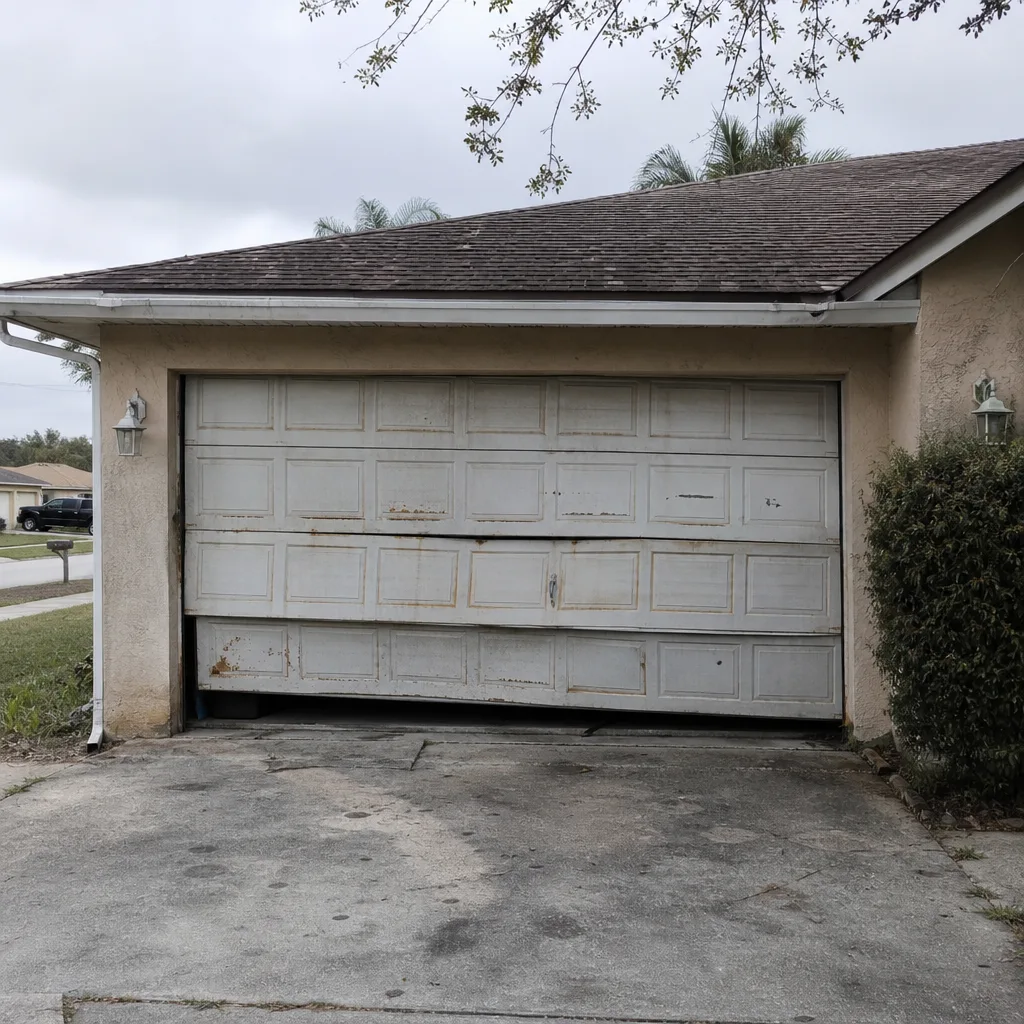 Before
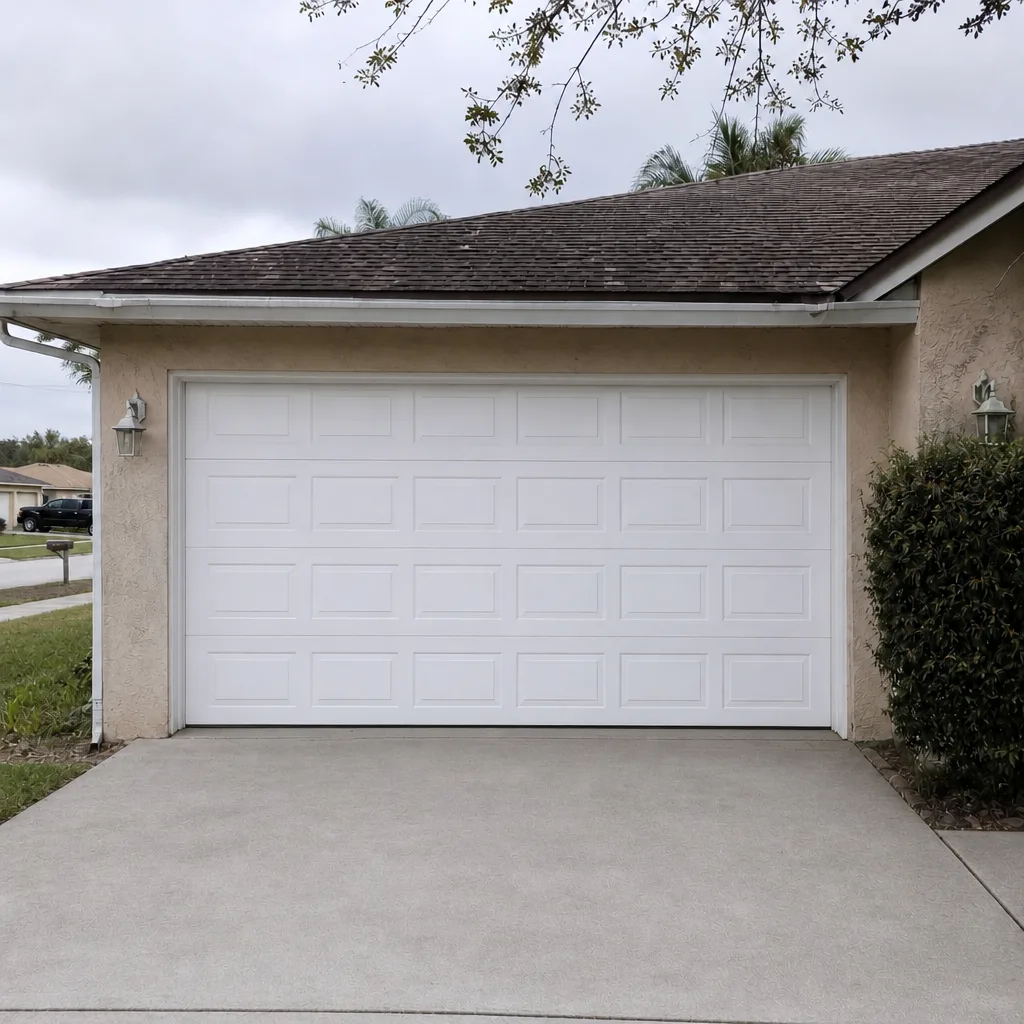 After
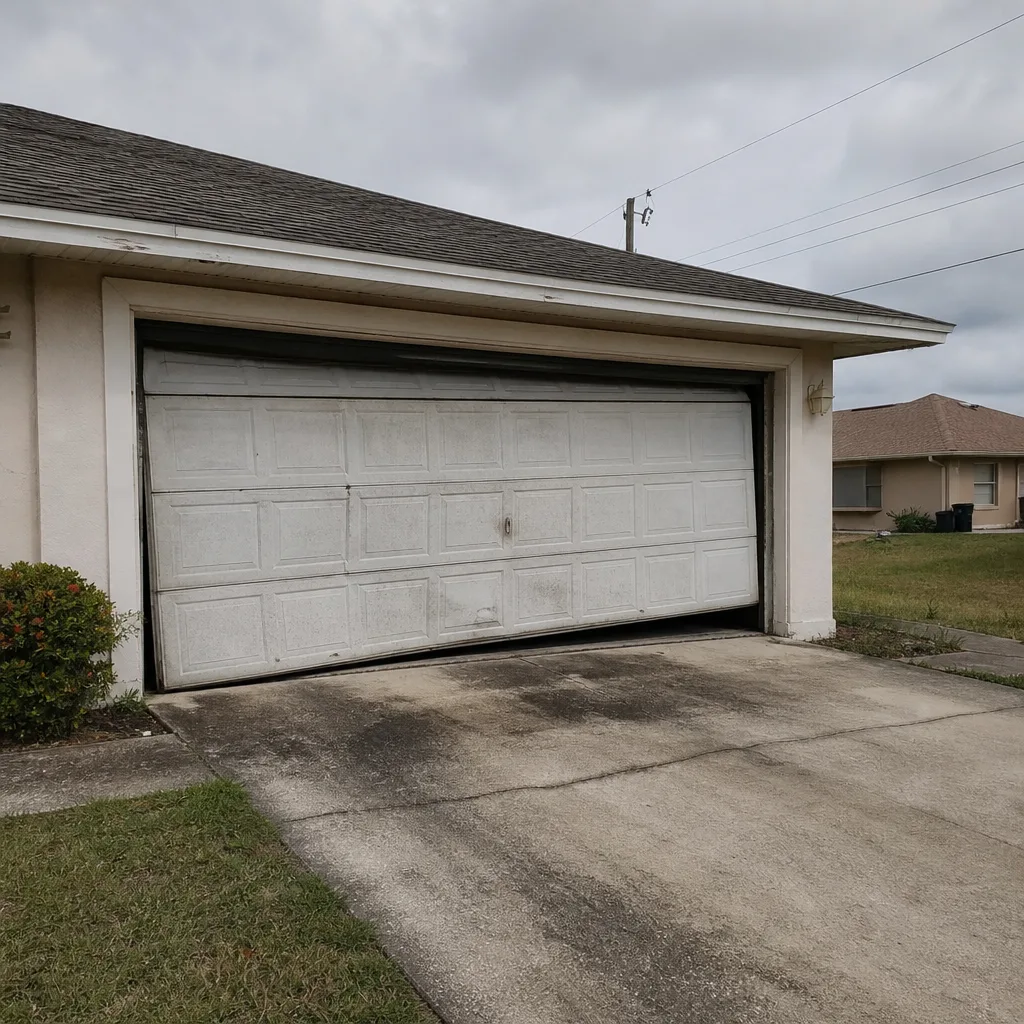 Before
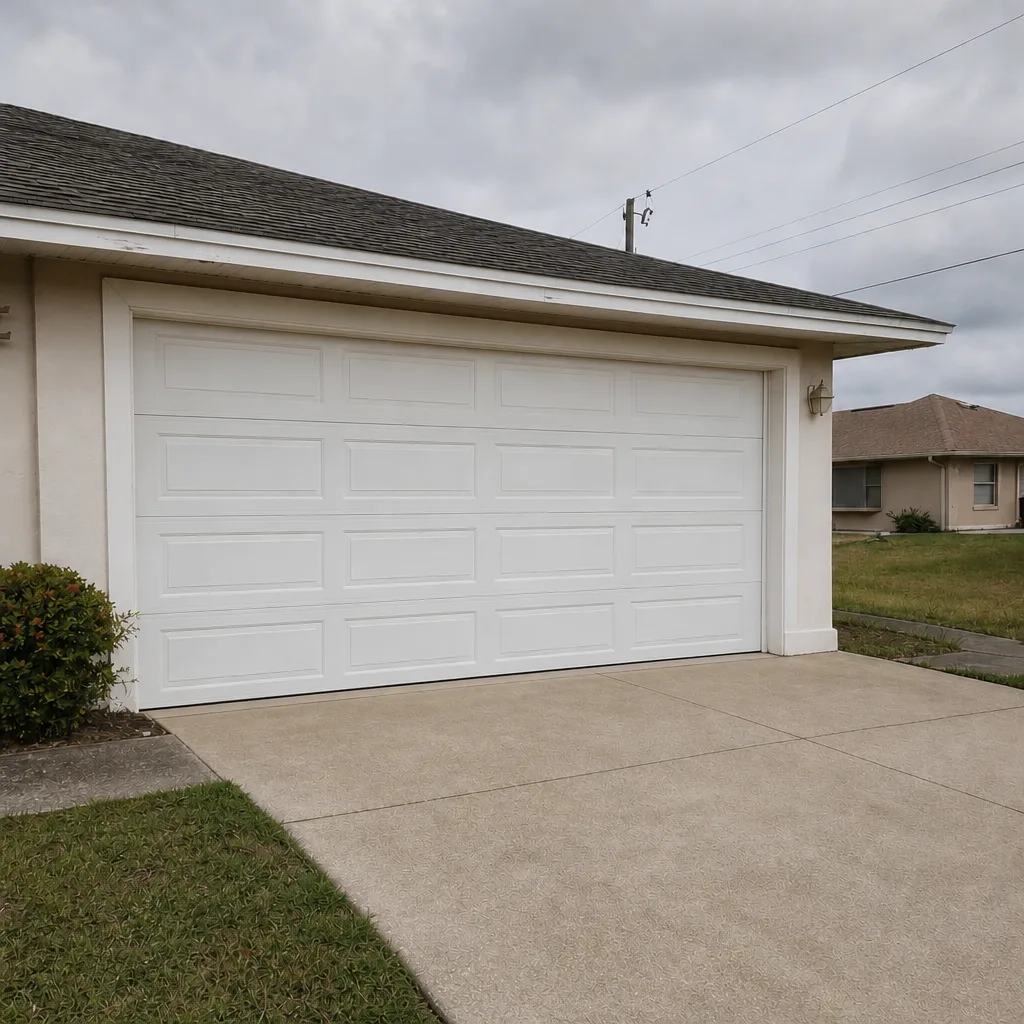 After
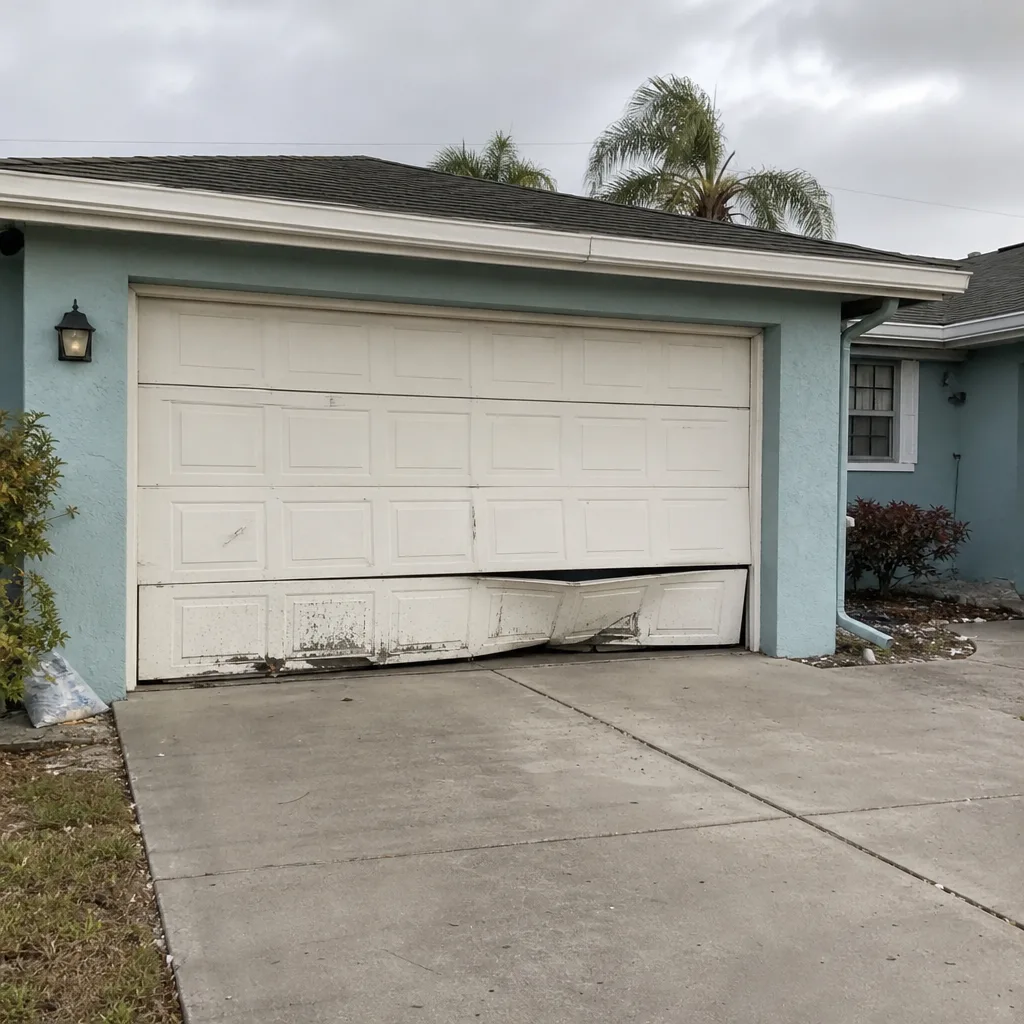 Before
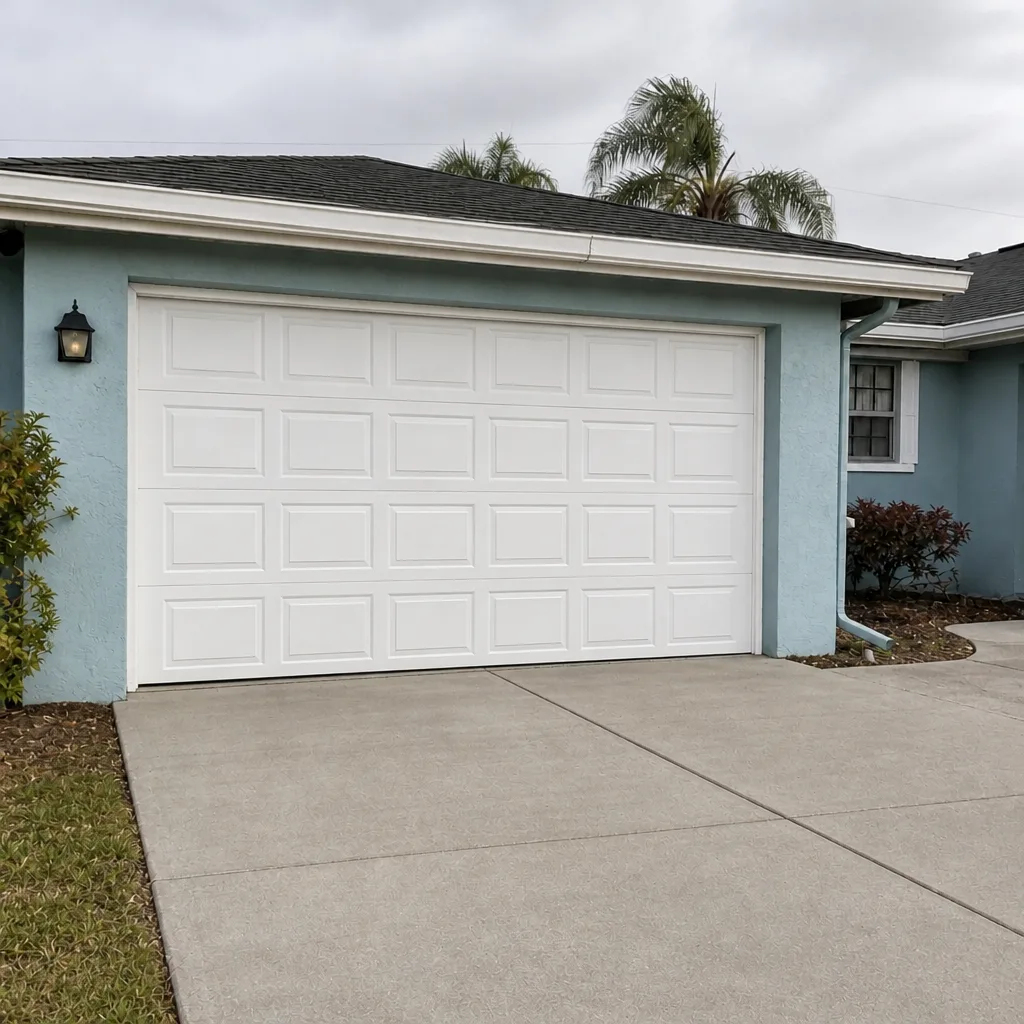 After
When to Call a Professional
Call a professional when the door won’t open or close, when it moves unevenly, when you hear a loud bang from the garage, when the door is visibly off its tracks, or when the opener hums but the door doesn’t move. Those are spring, cable, track, and opener issues, and they belong with a trained technician. Also call when the safety reverse test fails, because that’s a genuine safety issue and not something to defer. If you’re planning a new door or a major replacement, that’s a scheduled job with a free measure and a written price, not a same-day repair.
Cape Coral Garage Door Repair Co offers free estimates in Cape Coral – call (855) 658-4296. We answer 24/7. Fast dispatch from 7am to 7pm, Sunday through Friday. The price is agreed before any work begins, so you know the number going in.
Frequently Asked Questions
Spring repair in Cape Coral typically runs in the low-to-mid hundreds of dollars for a single spring, with a matched pair replaced together costing about twice that. The written estimate sets the final price, and it’s quoted and agreed before work starts. Call (855) 658-4296 for an exact quote – estimates are free.
For repair work, same-day service is often available. We answer 24/7, and dispatch runs from 7am to 7pm, Sunday through Friday. A call outside dispatch hours is booked into the next opening. Call (855) 658-4296 to check today’s availability.
No. You get a written, itemized estimate before any work begins, and that estimate sets the price. If a technician finds something the quote didn’t cover, you get a written change order to approve before that work proceeds. Call (855) 658-4296 to get your quote started.
The local pro we connect you with is licensed and insured as their state requires, and you should ask to see the certificates before work begins. We connect Cape Coral homeowners with independent local professionals who perform the work. Call (855) 658-4296 with any questions about credentials.
Very likely. We’re certified to service eight major residential brands – LiftMaster, Chamberlain, Genie, Clopay, Amarr, Wayne Dalton, Craftsman, and Raynor – and most Cape Coral homeowners already own one of them. Call (855) 658-4296 with your brand and model, and we’ll confirm.
Permit requirements vary by opening and structure, so ask the City of Cape Coral building department directly before a replacement. Your contractor should be able to tell you what documentation the job needs for wind-load ratings and anchoring. Call (855) 658-4296 and we’ll walk through what the work involves.
The Bottom Line
Hiring a garage door contractor in Cape Coral comes down to verification. Check the license on the DBPR site, ask for general liability and workers’ comp certificates, insist on a written itemized quote, and ask brand-specific questions about your existing opener and springs. A specialist answers all four without flinching and backs it with parts supply, wind-load knowledge, and dedicated spring work. A generalist gets vague, and that’s the tell. Repair first, replace only when it makes sense, and get the number in writing before anyone touches the door.
If you’d rather skip the phone-tag and just get a straight answer from a specialist who works on the major brands, Cape Coral Garage Door Repair Co is here. Call (855) 658-4296 for a free estimate. We answer 24/7. Fast dispatch from 7am to 7pm, Sunday through Friday, and the price is agreed before any work begins.
Written by the team at Cape Coral Garage Door Repair Co.