
Last updated November 21, 2026
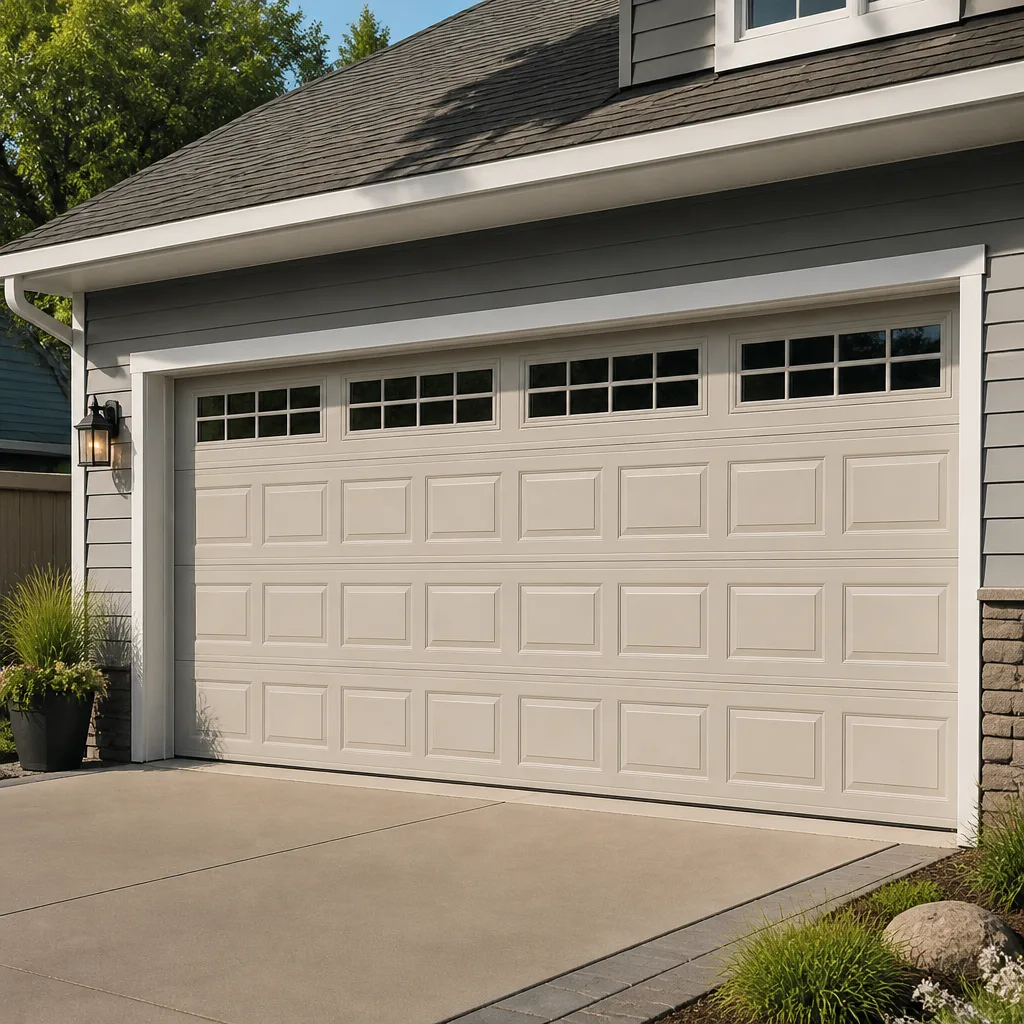 Raised-panel steel
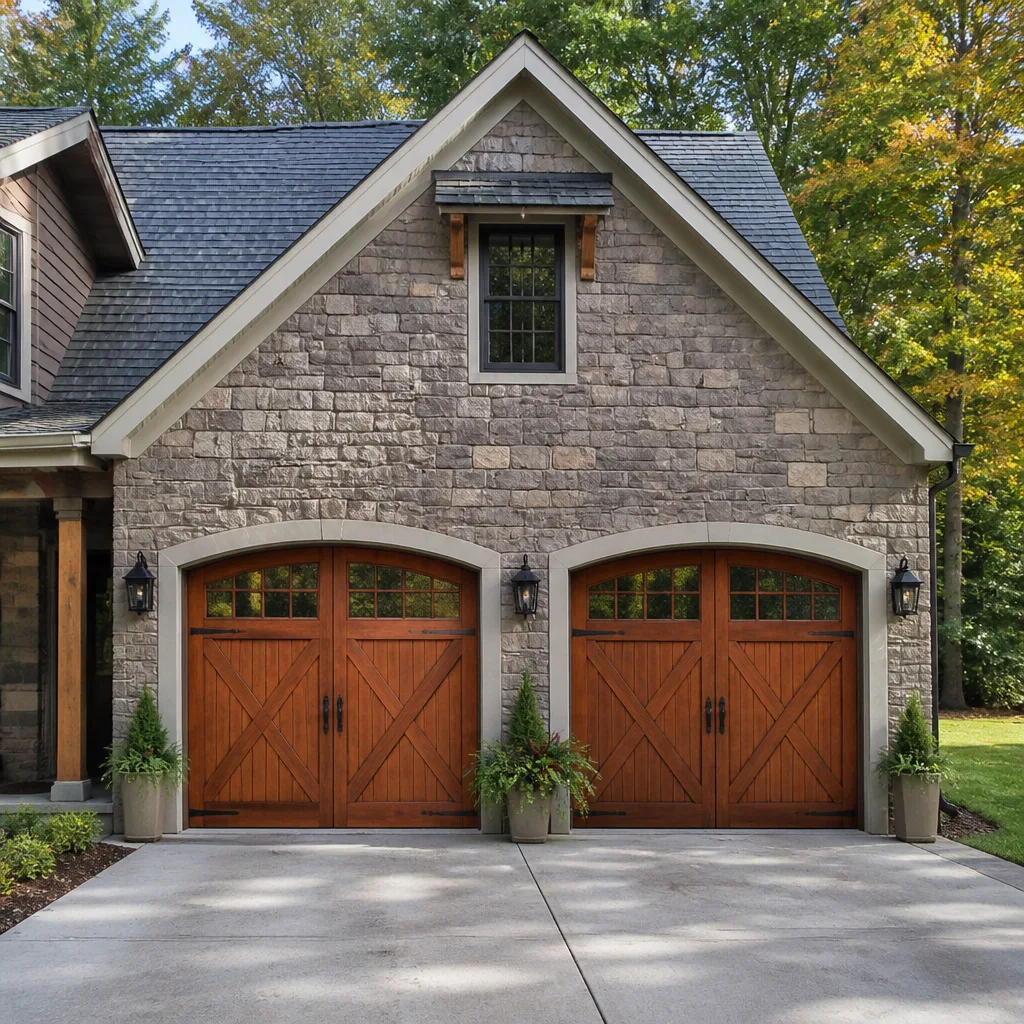 Carriage house
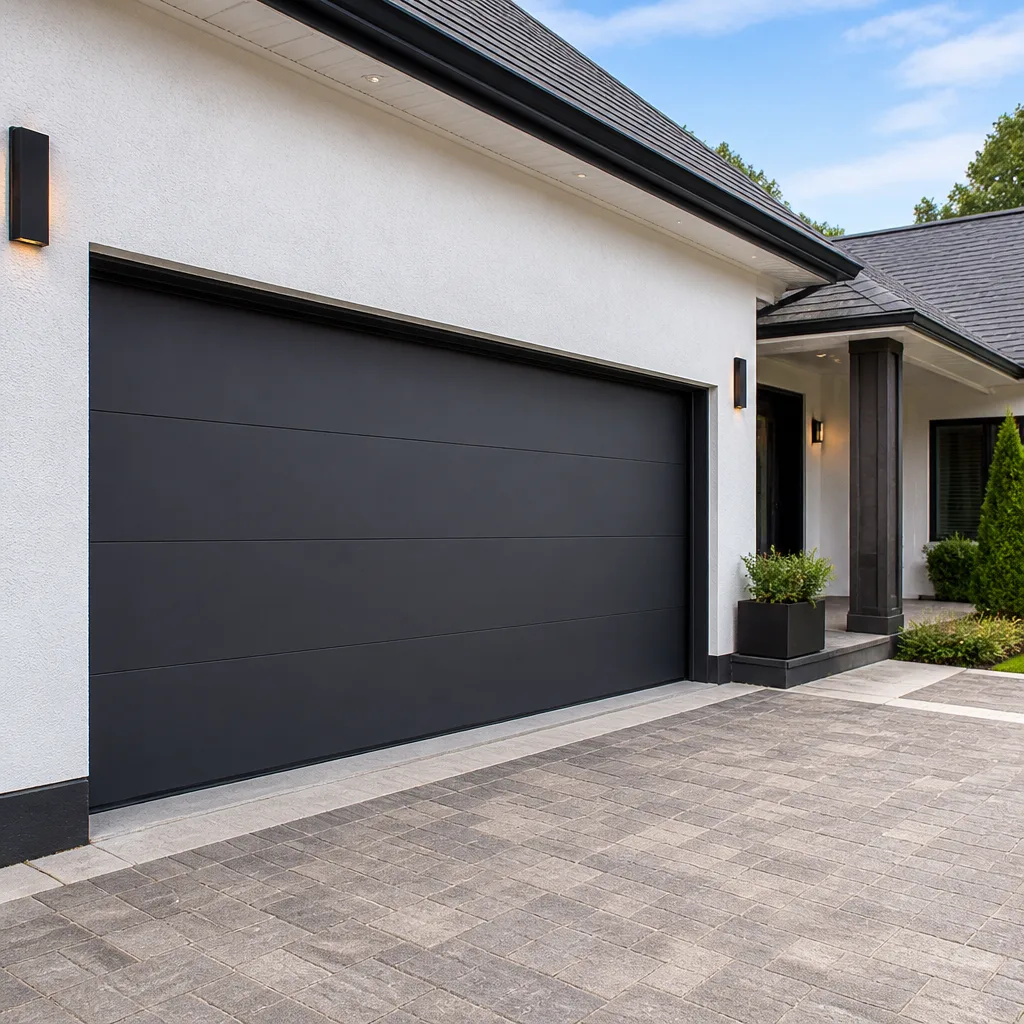 Modern flush
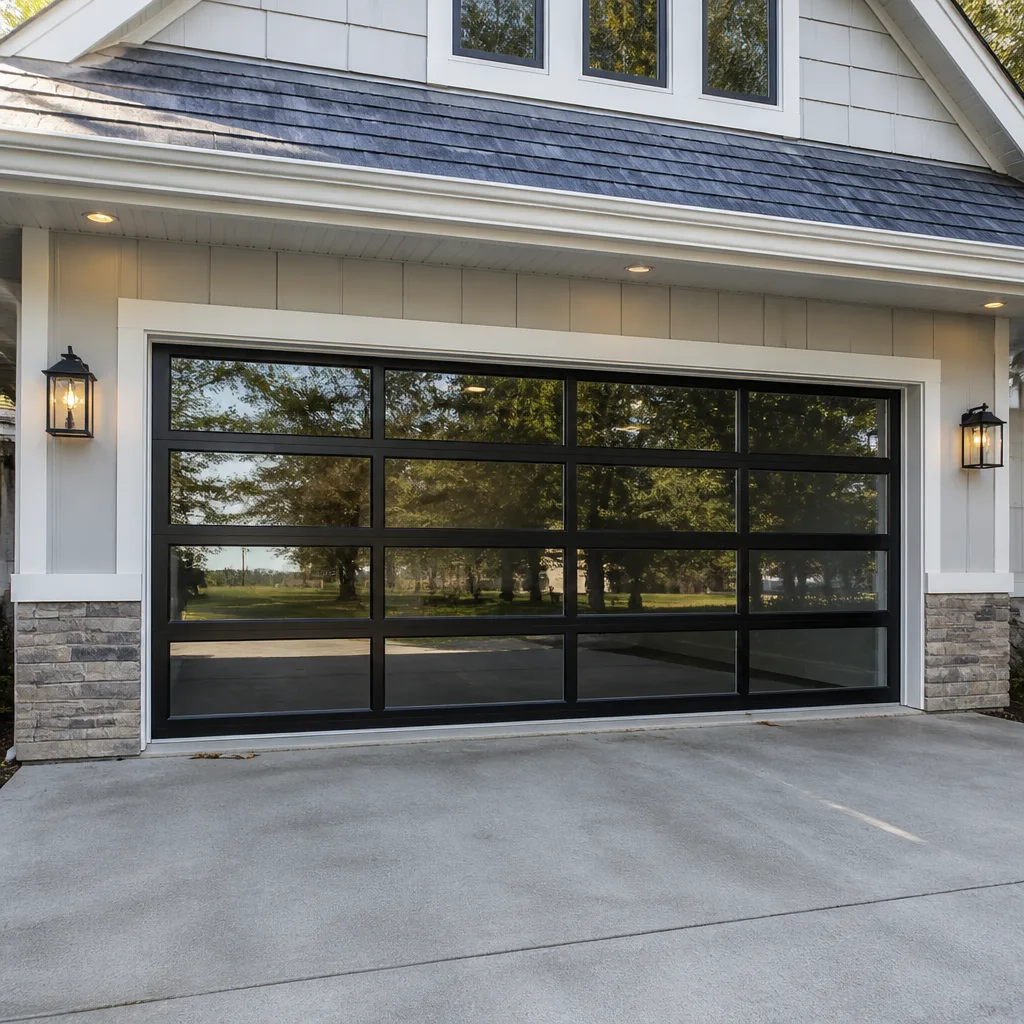 Full-view glass
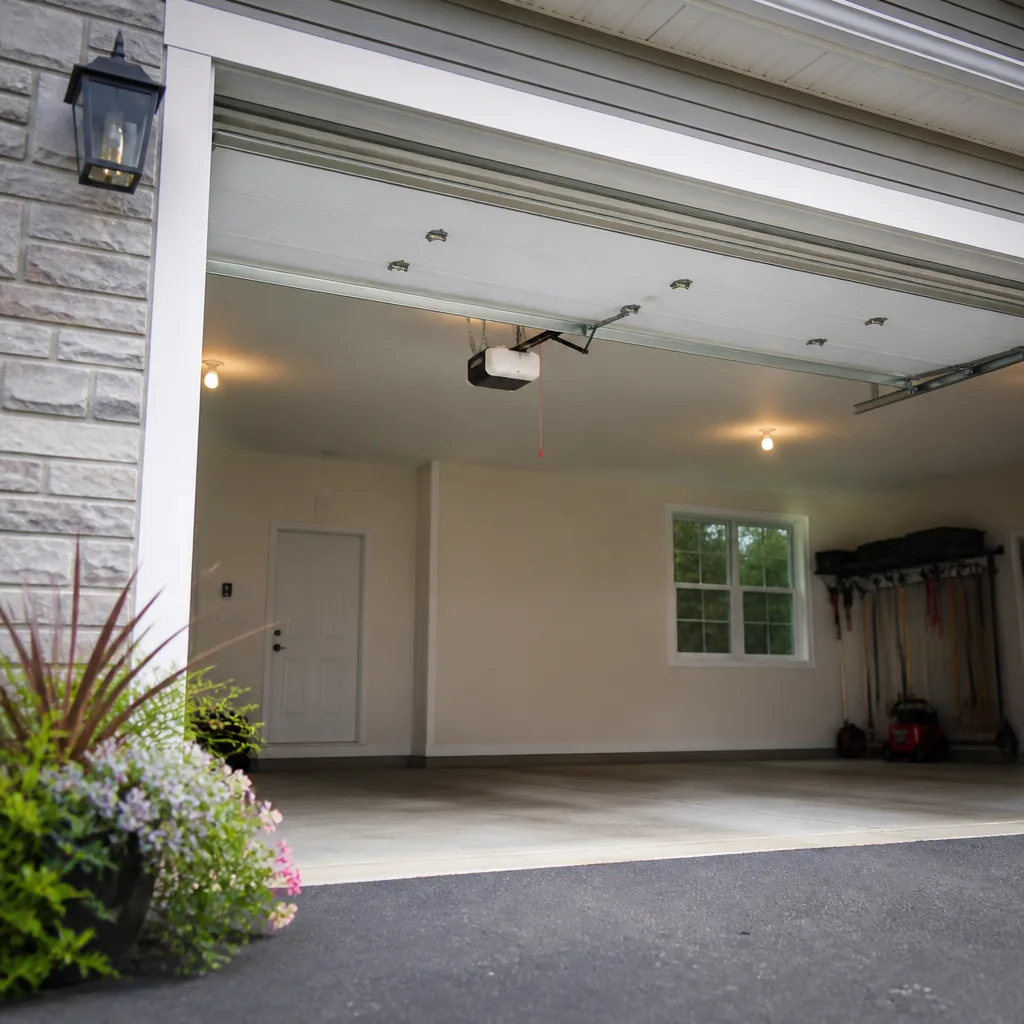 LiftMaster openers
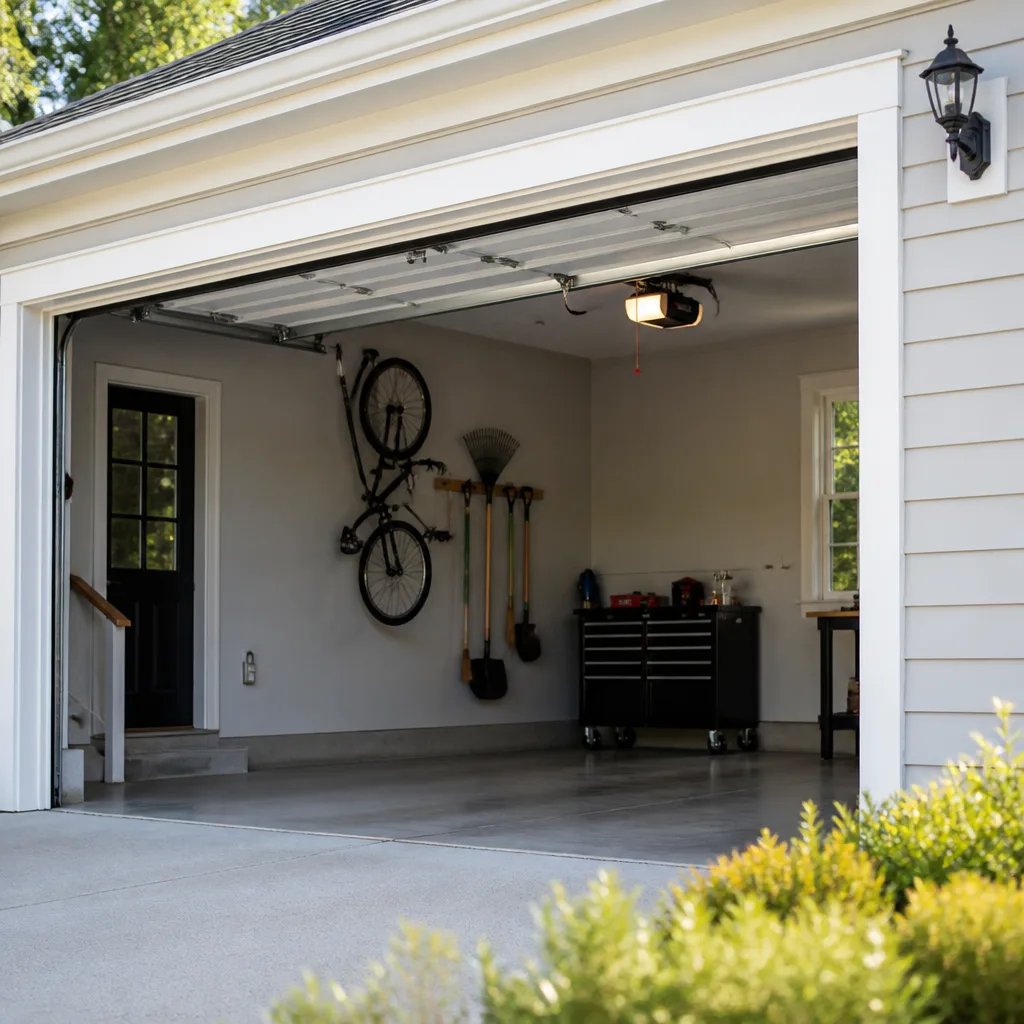 Chamberlain openers
Full 25-point door and opener safety check with every visit - springs, cables, rollers, tracks, and your LiftMaster or Chamberlain opener included
You get a price before we start. It does not change when the pro arrives.
Get your free estimateGarage Door Warning Signs: A Cape Coral Homeowner’s Reference Guide
A garage door that hesitates for half a second before it moves isn’t “getting old.” It’s a symptom, and it points to one of three diagnosable causes. Ignore it and the door usually stops working entirely within two to four weeks, usually on a morning when you’re already late. That’s the thing most homeowners get wrong: they treat a slow, noisy, or stubborn door as normal wear instead of reading it as a message. This guide teaches you to read those messages. You’ll learn what each sound, streak, and stall means, how Cape Coral’s humidity puts its own stamp on the problem, and how to sort the warnings that need same-day attention from the ones that can wait for a scheduled appointment.
Styles & brands we work with
- Raised-panel steel
- Carriage house
- Modern flush
- Full-view glass
- LiftMaster openers
- Chamberlain openers
Quick Answer
The main garage door warning signs are unusual noises (grinding, scraping, popping, rattling), slow or inconsistent opener response, a door that reverses before closing, visible rust or bubbling paint, and a door that won’t stay balanced at the halfway point. In Cape Coral, humidity-driven rust on springs and hardware is the sign homeowners most often miss. Any sign that involves a broken spring, a door off its track, or a door that falls faster than it should is a same-day safety issue.
Table of Contents
- What Is Your Garage Door Trying to Tell You? A Noise Glossary
- The Visual Warning Signs That Hit Cape Coral Doors Harder
- Opener Behavior Flags: When the Motor Runs but the Door Doesn’t
- How to Perform the Balance Test (and Read the Result)
- Same-Day vs. Scheduled: A Triage Framework You Can Actually Use
- Why Cape Coral Humidity Changes the Warning-Sign Timeline
- Reading the Signs on the Brand You Already Own
- Common Mistakes to Avoid
- When to Call a Professional
- Frequently Asked Questions
- The Bottom Line
What Is Your Garage Door Trying to Tell You? A Noise Glossary
Sound is the first language a failing garage door speaks, and the specific sound narrows down the component fast. A well-adjusted door makes a low, even hum and a soft roll. Anything that grinds, scrapes, pops, or rattles is telling you where to look. Here’s how we read the four most common sounds in Cape Coral homes.
- Grinding usually implicates the opener’s gear and rail assembly or dry, worn rollers. If the grind rises and falls with the door’s travel, look at the rollers and hinges first. If it happens the moment the motor engages, it’s often inside the opener itself.
- Scraping points to the door rubbing where it shouldn’t: a panel out of alignment, a bent track, or a roller that has jumped its channel. Scraping gets worse over days, never better, and it wears the paint and steel at the contact point.
- Popping is the sound of a torsion spring or cable under load, or a hinge plate shifting because its fasteners have loosened. Popping from the spring area deserves prompt attention because springs store enormous energy.
- Rattling is the mildest signal and usually the cheapest to fix: loose bolts, worn nylon rollers, or a disconnected brace. Left alone, rattling shakes fasteners loose until something heavier starts to move.
One practical tip: step into the garage and listen with the door closed, then again as it opens. Where in the travel the noise starts is as diagnostic as the noise itself. Noise that begins at the exact same point every cycle means a physical obstruction or worn part at that spot, not a random glitch. If the grinding comes from an opener that’s clearly struggling, that’s a job for garage door opener repair rather than a door adjustment.
The Visual Warning Signs That Hit Cape Coral Doors Harder
Cape Coral’s humidity writes its own warning signs on a garage door, and they show up long before anything breaks. The combination of warm air, high moisture, and a garage that’s often the most humid room in the house accelerates corrosion on the steel components that matter most. Look for these specifically:
- Rust streaking on springs. Torsion and extension springs are oil-tempered steel with a thin coating. When that coating wears and moisture settles in, you’ll see orange-brown streaks running down from the coils. A rusted spring is a weakened spring, and it’s the single most important visual warning on the whole door.
- Bubbling or blistering paint on steel panels. Paint that lifts in small bubbles means moisture has gotten under it and is working on the steel beneath. On a Cape Coral door, bubbling usually starts at the bottom edge of the lowest panel, where splash and humid air do their work.
- White, chalky deposits on hinges, rollers, and track bolts. That film is corrosion product, and it tells you the hardware is losing its protective finish. Clean it, lubricate the moving parts, and keep an eye on it.
- Lift cables that look frayed or have a fuzzy texture. Cables under tension should be smooth and tight. Fraying means strands have broken, and a cable failure is a sudden, dangerous event.
- Weatherstripping that’s cracked, stiff, or pulling away. A failed bottom seal lets humid air and rain in at the worst spot, feeding the corrosion cycle from below.
Walk around the inside of the door once a season with a flashlight and look up at the springs and across the panels. In our experience, the visual signs give Cape Coral homeowners the longest warning window of any category. Rust streaks might show up weeks before a spring actually lets go, which is exactly the window you want for a scheduled fix rather than an emergency call.
Opener Behavior Flags: When the Motor Runs but the Door Doesn’t
Openers fail in a handful of predictable ways, and each one leaves a clue. Catch these early and you’re usually looking at a repair, not a replacement. Here’s the flag list:
- Slow travel speed. A door that moves noticeably slower than it used to, in both directions, often means the opener is laboring against added resistance from the door itself. The opener isn’t always the culprit; a binding door makes a healthy opener look weak.
- Inconsistent response to remotes. If a remote works from the driveway but not from the kitchen, or works sometimes and not others, suspect the battery first, then the safety sensors, then the opener’s logic board. Remotes that stop working at a specific distance point to antenna or board issues.
- Motor runs but the door doesn’t move. You hear the opener working, the door sits still or barely twitches. On a chain or belt drive, this often means the trolley has disconnected from the carriage or the drive gear has stripped. It can also mean a broken spring the opener can’t overcome.
- The door goes down, then reverses and comes back up. This is a safety-reversal, almost always the safety sensors: misaligned, dirty, or blocked by something as small as a spider web or a leaf. Sometimes it’s a door that’s binding and triggering force-limit protection.
- Straining or clicking sounds from the motor housing, especially on older units. On legacy openers from Craftsman or a well-worn LiftMaster, a straining motor with the door at rest often means internal gears are on the way out.
If your opener is a Wi-Fi-enabled smart unit, an app that shows “door not closed” or a series of failed status updates is a warning sign too. Those alerts usually mean the travel limits have drifted or the sensors are intermittent. For smart and legacy systems alike, the fix is the same first step: identify the brand and model so the technician arrives with the right diagnostic path.
How to Perform the Balance Test (and Read the Result)
The balance test is the single most useful thing a homeowner can do to check the health of the springs and the door’s mechanical setup. It takes two minutes and tells you a lot. Do it safely: never put your fingers between door sections, and never touch or attempt to adjust the springs or cables themselves.
- Close the door completely and disconnect the opener using the manual release cord (usually a red handle). The door should be fully down so there’s no tension on the opener’s connection.
- Lift the door by hand to about the halfway point, roughly waist height. It should lift smoothly with steady resistance, not jerk or feel excessively heavy.
- Let go at the halfway point. A properly balanced door should stay right where you left it, or drift only slightly.
- Read the result. A door that stays put means the springs are doing their job. A door that sinks slowly or drops quickly means the springs have lost tension or partially broken. A door that feels extremely heavy going up is a caution sign that the opener has been doing the springs’ work.
- Reconnect the opener and run the door once to confirm normal operation.
It’s worth being clear about what “normal” means. A healthy door at halfway feels like it’s floating, held by tension that matches its weight. A failing door feels heavy going up and won’t hold its position on the way down. If your door sinks or slams at the halfway point, treat it as a spring warning and don’t run the door more than necessary until it’s checked. Springs store that much energy, and a partial failure can become a full one without much warning.
Same-Day vs. Scheduled: A Triage Framework You Can Actually Use
Not every warning sign is a red alert. Sorting them correctly saves you an unnecessary emergency call and, just as important, keeps you from waiting on a genuine safety problem. Here’s the framework we share with Cape Coral homeowners. It divides warning signs into three tiers.
Tier 1: Stop Using the Door and Call Now
- A loud bang from the spring area followed by a door that won’t lift, or lifts only with the opener straining hard.
- A door that’s visibly off its track, hanging crooked, or resting at an angle.
- A snapped or hanging lift cable.
- A door that falls or drops faster than it should when closing.
- A door with a broken panel that’s structurally compromised.
These are same-day issues because the door is either unsafe or about to be. A door that’s off-track or unbalanced can come down on a person or a vehicle, and an opener forced to lift a door with a broken spring will burn itself out or snap its hardware.
Tier 2: Schedule Within the Week
- A slow or uneven door travel with no off-track symptoms.
- An opener that runs but the door doesn’t move.
- Repeated safety reversals after you’ve cleaned the sensors.
- Grinding or scraping that’s gotten progressively worse.
- Rust streaks on springs with no failure yet.
These allow a scheduled appointment because the failure is developing rather than imminent. Getting on the schedule early keeps it in this tier.
Tier 3: Watch and Address at the Next Opportunity
- Rattling or squeaking that responds to lubrication.
- Faded paint starting to bubble in one spot.
- Weatherstripping that’s stiff but not torn.
- A remote with a weak battery or one that needs to be closer.
This tier is maintenance, not repair. Address it before it drifts into Tier 2. A free estimate is the right first step for anything in Tiers 1 or 2, and often for the “just watching” list too.
Why Cape Coral Humidity Changes the Warning-Sign Timeline
A garage door in Cape Coral lives a harder life than the same door in a dry climate, and the warning-sign timeline reflects that. Warm, humid air sits in the garage day after day, and a garage is often poorly ventilated by design, so moisture lingers on the steel parts longer than it would outside. That’s why the visual warning signs on Cape Coral doors lean heavily toward rust, corrosion, and paint failure.
What does that mean in practice? Springs that might give you months of visible warning in a drier climate may show rust streaks and lose tension faster here. Hardware finishes that hold up elsewhere can start showing white corrosion deposits sooner. And because Cape Coral’s rainy season pushes humid air under the door and against the bottom panels, that’s usually where the first bubbling and weatherstripping failure shows up.
The practical adjustment is a seasonal walkaround. Give the door a slow look at the start of the rainy season and again when the humidity eases. Look at the springs, the bottom panels, the hinges, and the weather seal. Lubricate the moving parts (rollers, hinges, the torsion bar bearings) with a product made for garage doors, not a general household spray. Clean the corrosion deposits off hardware before they eat deeper.
Humidity doesn’t just attack the door; it works on the opener too. Safety sensors cloud with condensation, and older circuit boards may behave unpredictably in muggy garages. If your opener’s behavior gets erratic only during the wettest weeks, the sensor alignment and the board are worth a look before you assume the opener is failing. When in doubt, a quick diagnostic visit settles it, and our garage door repair team can take a look before a small issue becomes a spring replacement.
Reading the Signs on the Brand You Already Own
Most of the warning signs in this guide are universal, but a few have brand-specific flavors worth knowing. Your opener and door have a nameplate, and knowing what it says helps a technician arrive with the right parts and the right diagnostic path. The good news: many homes here already own a brand we service.
- LiftMaster and Chamberlain openers. These two are cousins under the same parent company, and both are common in Cape Coral garages. On a LiftMaster or Chamberlain unit that’s slow, straining, or inconsistent, the safety sensors and travel limit settings are the first things to check. Wi-Fi models add app-based alerts that can point to travel-limit drift early.
- Craftsman openers. A Craftsman is a legacy workhorse that many homeowners still rely on. When a Craftsman motor runs and clicks but the door doesn’t move, suspect the drive gear or the trolley carriage. Parts are still available for common models, which is why it’s worth diagnosing before replacing.
- Raynor doors. Raynor makes a range of residential steel doors, and on a Raynor in a humid climate, the panel coating and bottom seal are the places to watch. Look for bubbling at the bottom edge and a stiff weather seal that’s letting moisture in.
Our technicians are trained on LiftMaster, Chamberlain, Genie, Clopay, Amarr, Wayne Dalton, Craftsman, and Raynor. That means when you call with the brand name off your unit, the technician knows what they’re walking into. Our technicians have up to 14 years of experience reading exactly these signals. If the diagnosis points to a door that’s beyond routine repair, we’ll say so honestly, and you can compare a proper garage door installation against the cost of another round of repairs. Repair first when it makes sense; replacement only when the math and the safety argue for it.
Common Mistakes to Avoid
Over the years we’ve seen the same handful of missteps turn a small warning sign into a big repair. Here’s the list, with Cape Coral specifics where they apply.
- Treating a slow or hesitant door as “just age.” A door that hesitates for a half second is telling you about a spring, a track, or a roller. Waiting usually means two to four weeks until total failure. Address the symptom when it appears.
- Lifting a door with a suspected broken spring by hand to “test” it. A door with a broken spring can weigh far more than a person can safely manage, and if it drops it can cause serious injury. That’s a call, not a test.
- Using the opener again and again when the door won’t lift. An opener forced to push against a broken spring or a binding door damages its gears and may void a repair. Once the door stops moving, stop running the opener.
- Lubricating with the wrong product. Household oils and greases attract dust and gunk, which makes grinding worse over time. Use a garage-door-specific lubricant on the rollers, hinges, and torsion bearings, and never lubricate the springs or cables directly.
- Ignoring rust streaks on the springs. Cape Coral’s humidity accelerates spring corrosion, and a rusted spring is a weakened spring. Waiting for a failure turns a scheduled repair into an emergency call.
- Cleaning the safety sensors and then giving up when the door still reverses. Misaligned sensors, a drifting travel limit, or a binding door can all trigger reversals. If cleaning doesn’t fix it, get it diagnosed instead of repeatedly resetting.
- Assuming a noisy door means a new garage door. Most noises are hardware, rollers, or hinges, and they’re repair items. Let a technician tell you what the door actually needs.
When to Call a Professional
Call a professional immediately if the door is off its track, if a spring has broken, if a lift cable is hanging or frayed, or if the door drops faster than it should or won’t stay balanced at the halfway point. Those are safety issues and they don’t solve themselves. Call when the opener runs but the door doesn’t move, when a scraping or grinding noise is getting worse, when your door repeatedly reverses after you’ve cleaned the sensors, or when you see rust streaks on springs even with no failure yet. If you’re uncertain which tier a symptom belongs to, describe what you’re hearing and seeing and we can help you sort it. Cape Coral Garage Door Repair Co offers free estimates in Cape Coral, and we handle spring repair as a dedicated safety service rather than subcontracting it out. Call (855) 658-4296. We answer 24/7. Fast dispatch from 7am to 7pm, Sunday through Friday.
Frequently Asked Questions
The most common warning signs are unusual noises (grinding, scraping, popping, rattling), slow or inconsistent opener response, repeated safety reversals, visible rust on springs and hardware, and a door that fails the balance test. Cape Coral’s humidity adds rust streaks on springs and bubbling paint on lower steel panels to the list, and those two visual signs usually give the longest warning window before a failure. If you spot any of them, a free estimate is a low-cost way to find out whether it’s a repair or a watch item. Call (855) 658-4296 to schedule one.
In most cases, a door that hesitates, grinds, or struggles will stop working entirely within about two to four weeks if the underlying symptom isn’t addressed. A door with a broken spring or an off-track panel can fail in days, which is why those go on the same-day list. Treat the two-to-four week window as your best-case estimate, not a deadline you should test. Call (855) 658-4296 for an exact diagnosis.
No. If the door feels heavy, won’t lift by hand, or won’t stay at the halfway point, stop running the opener. An opener pushing against a broken spring or a binding door will strain its motor and gears and often turns a spring repair into an opener repair too. Reconnect the opener only after the door is checked and the spring or track issue is resolved. Call (855) 658-4296 to get the door diagnosed.
Yes. Misaligned sensors, dirty lenses, or a spider web across the beam can all trigger a reversal even with nothing visible in the way. A drift in the opener’s travel limits can also cause the door to reverse. Clean the lenses and check alignment first; if the door still reverses, that’s a candidate for a professional diagnostic visit. Call (855) 658-4296 if it keeps happening.
A door that won’t hold at the halfway point, feels extremely heavy going up, or has visible rust streaks on the springs is showing classic spring-failure warning signs. A loud bang from the spring area followed by a door that won’t open is usually a full break. Springs are the highest-energy part of the whole system, so don’t test or touch them yourself. Call (855) 658-4296 and we’ll send a technician trained in spring repair.
Waiting usually means the eventual repair costs more, because a broken spring or binding door that runs through the opener takes more components down with it, and a door with a compromised track or panel can become a safety hazard. The wait also risks your vehicle and anyone standing in the garage. We answer 24/7, and a call outside dispatch hours is booked into the next opening, Sunday through Friday, 7am to 7pm. Call (855) 658-4296 and get it looked at before it fails.
The Bottom Line
Garage doors send clear, readable warnings before they fail: the right sound points at the right component, the visual signs tell you about corrosion and wear, opener behavior shows a motor under stress, and the balance test measures the springs directly. In Cape Coral, humidity speeds up the visual timeline, so rust streaks and bubbling panel paint belong on your seasonal check. Use the triage framework: same-day for anything off-track, unbalanced, or spring-related, scheduled for the developing symptoms, and watch for the mildest ones. When a sign points to a repair, call us. Call (855) 658-4296 for a free estimate. We answer 24/7. Fast dispatch from 7am to 7pm, Sunday through Friday. If your problem has already escalated to a full repair, start with Cape Coral Garage Door Repair Co and our team will take it from there.
Written by the team at Cape Coral Garage Door Repair Co.
See the difference
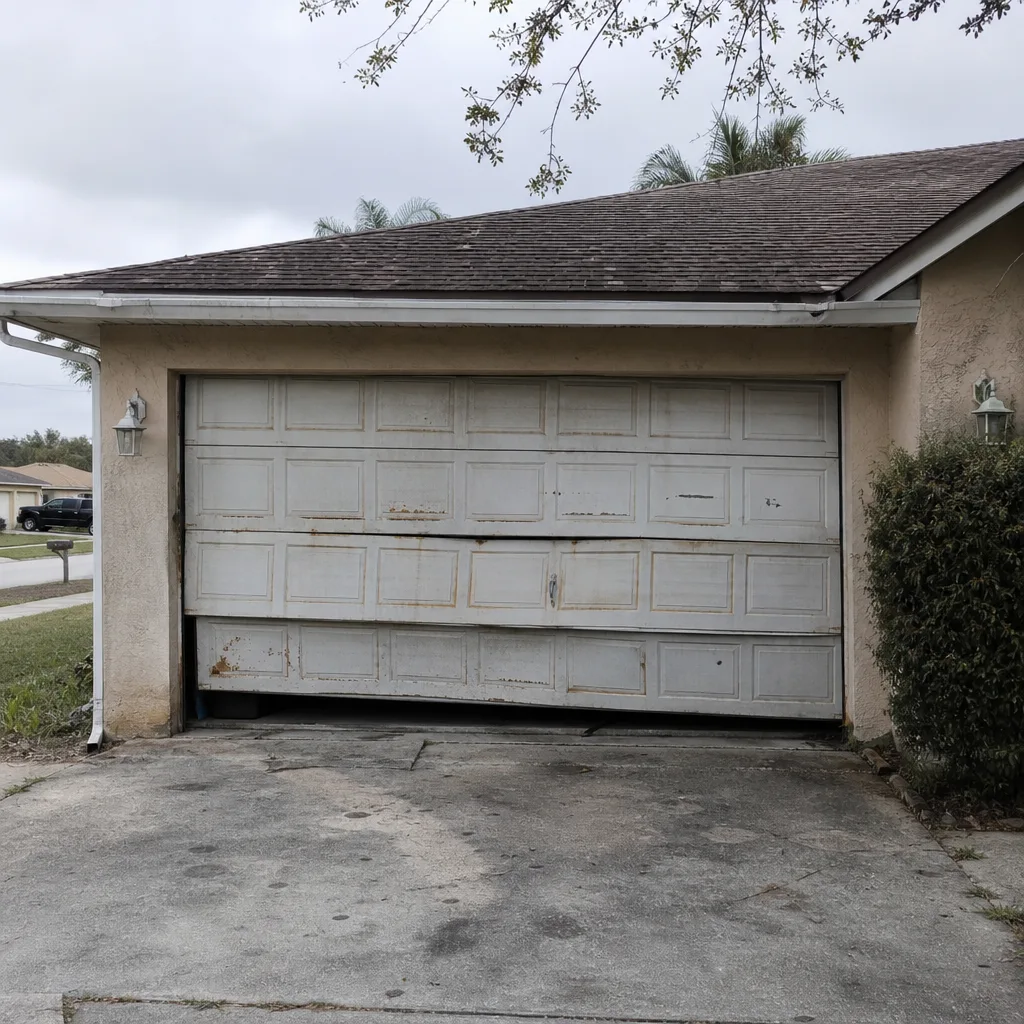 Before
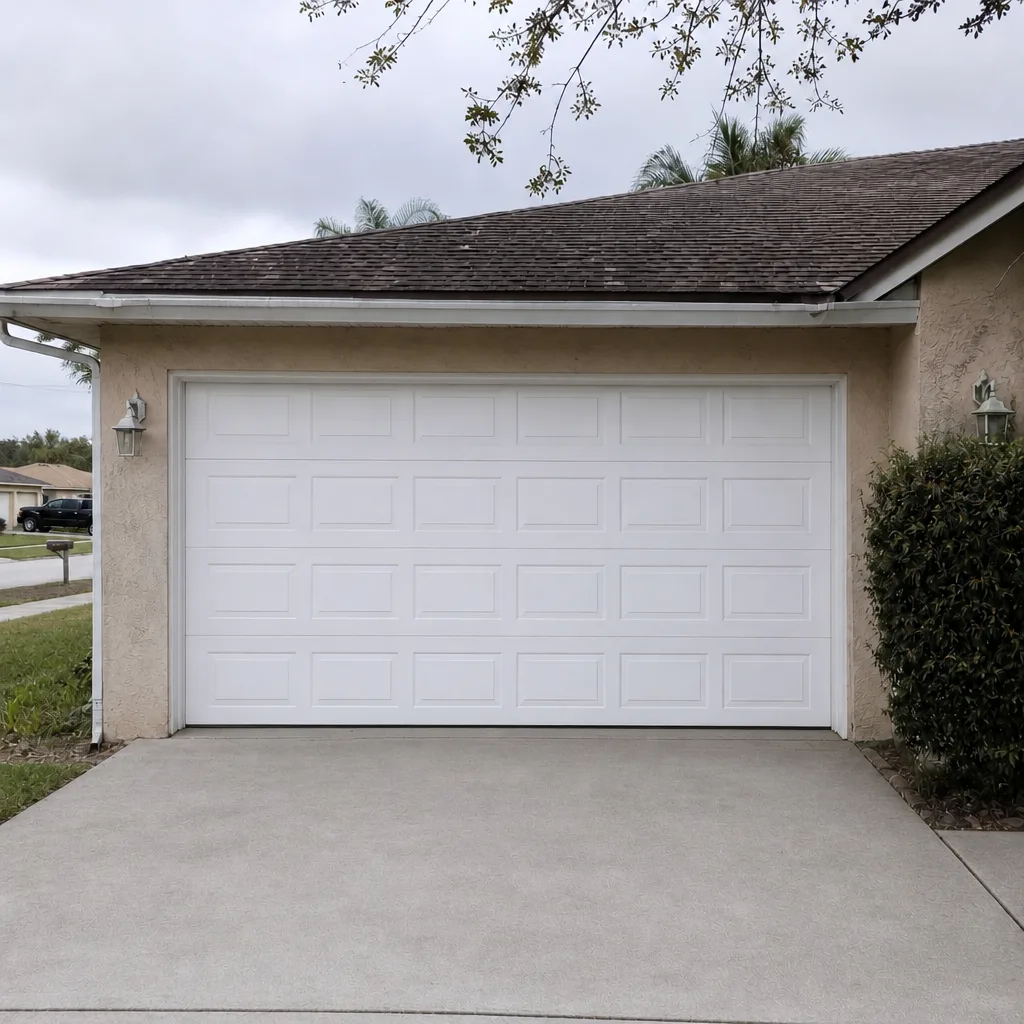 After
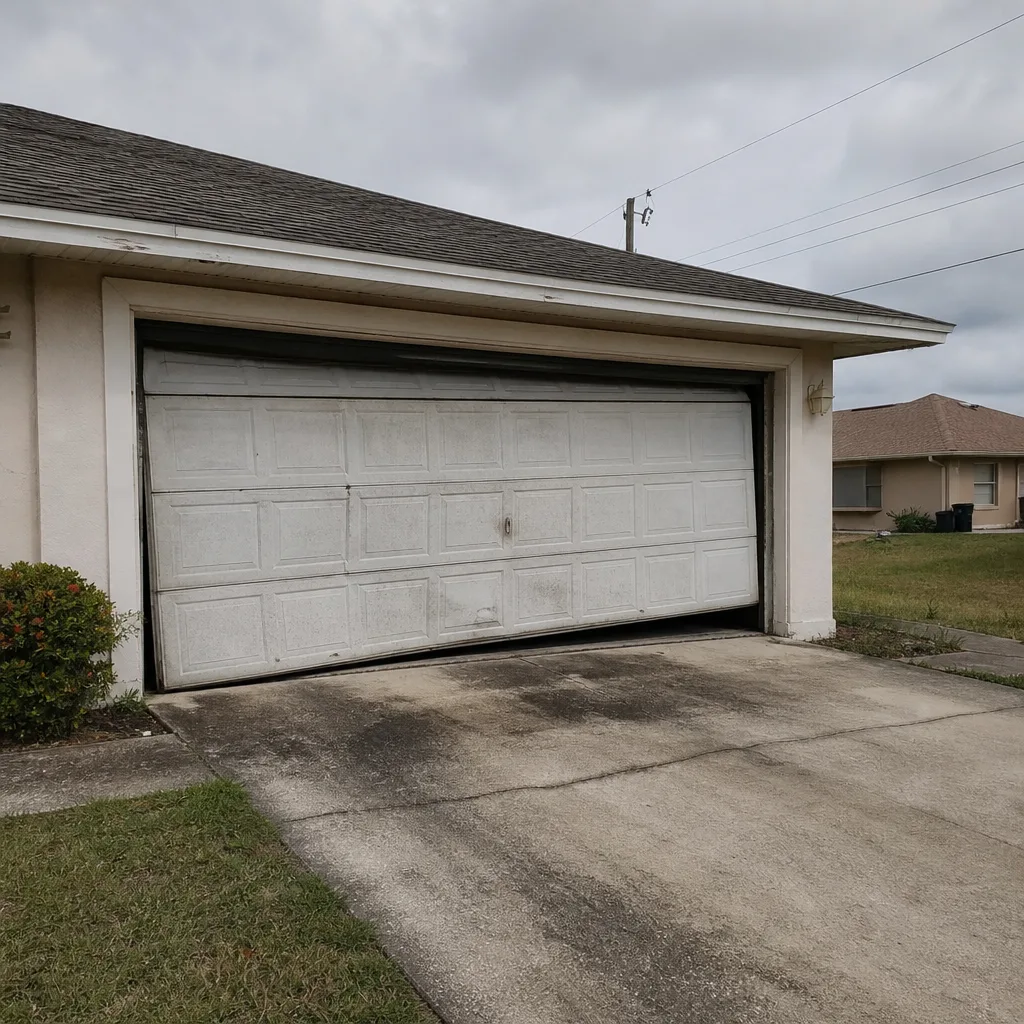 Before
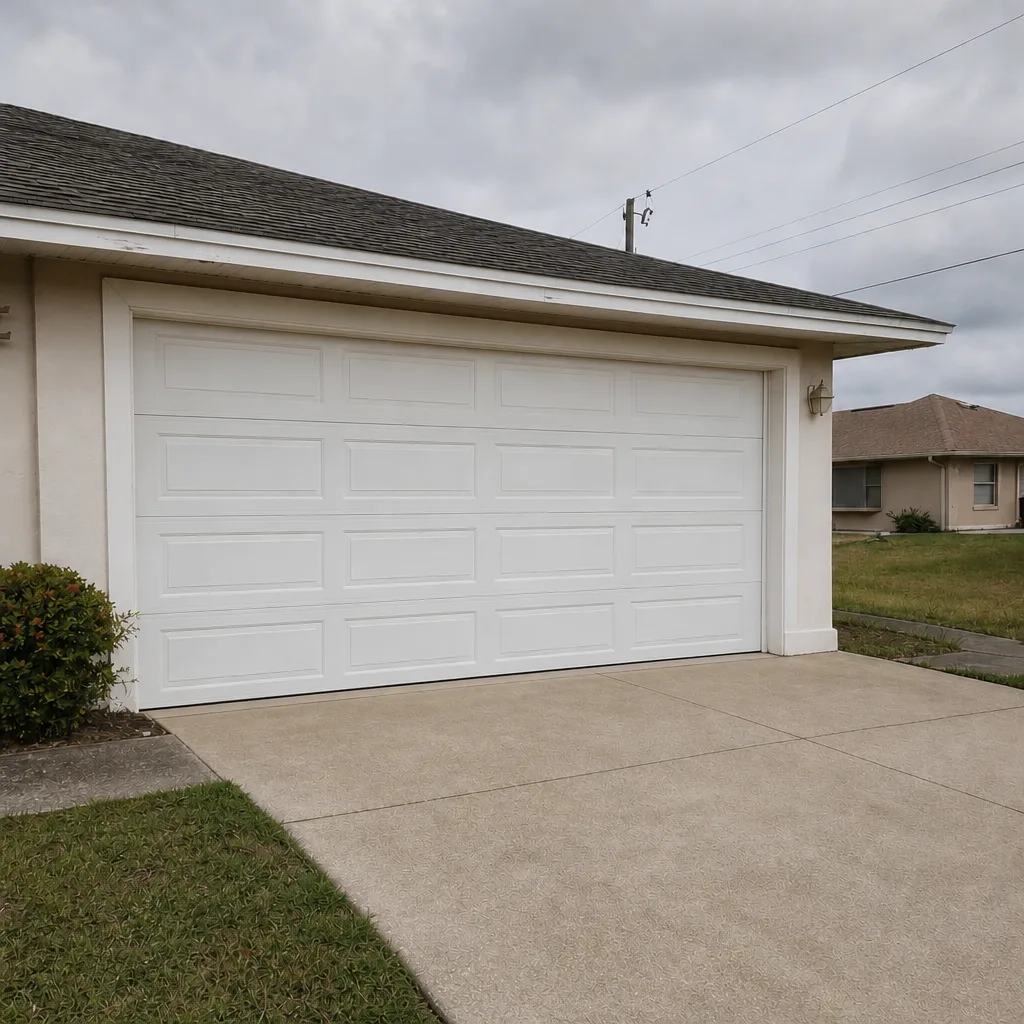 After
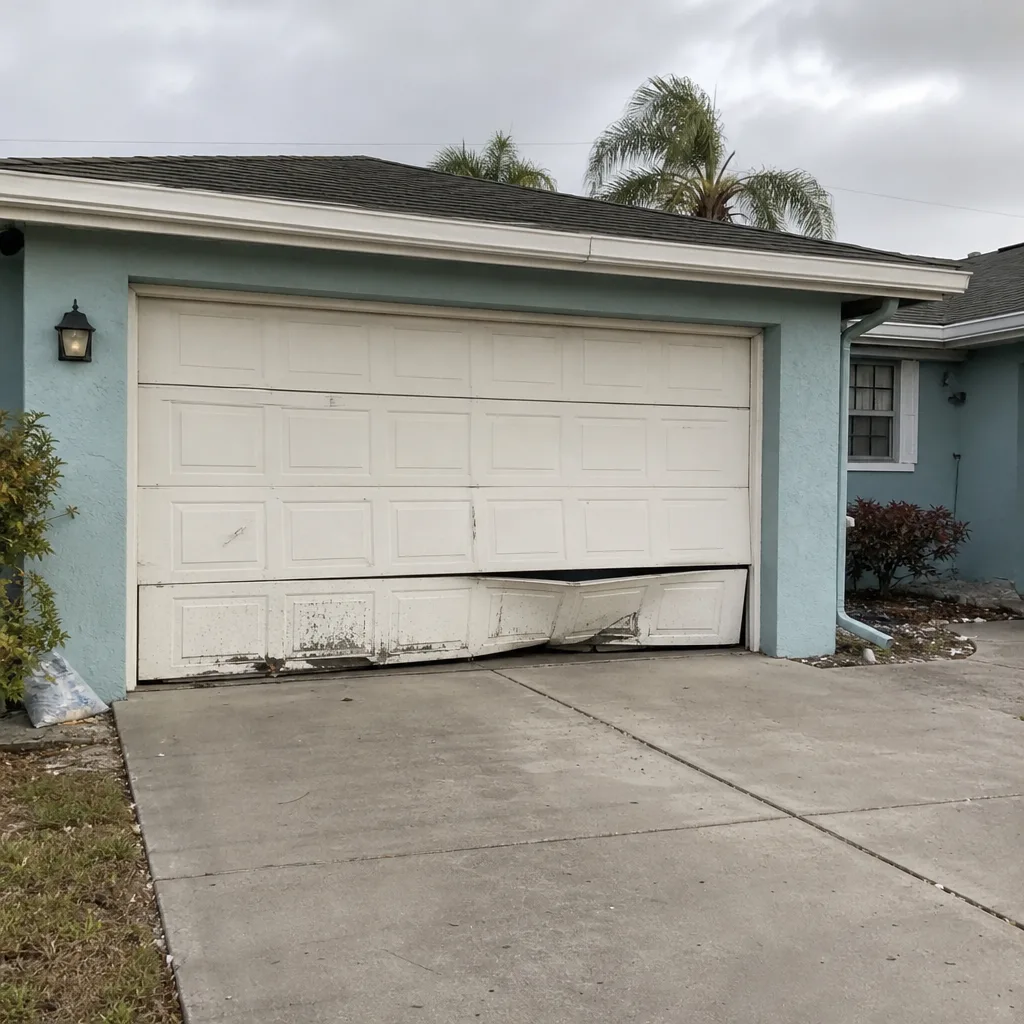 Before
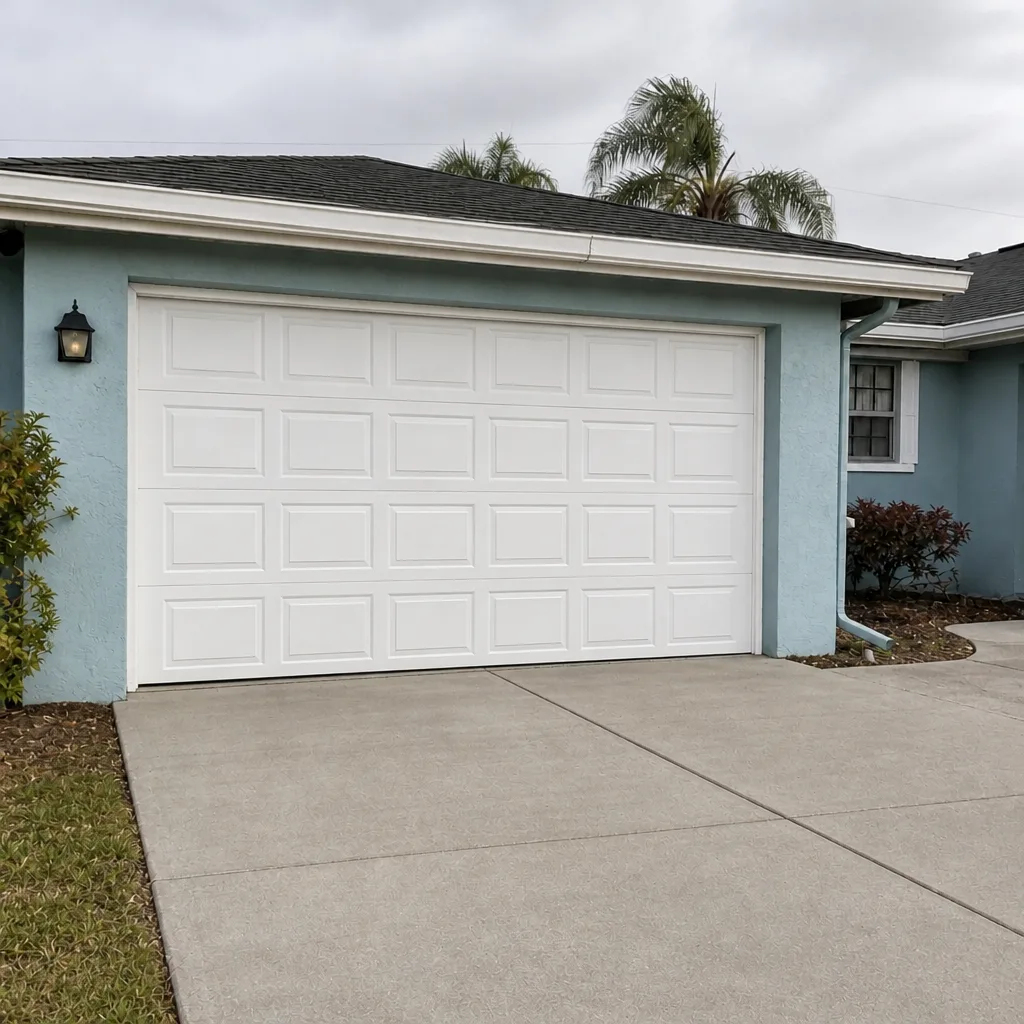 After