
Last updated November 21, 2026
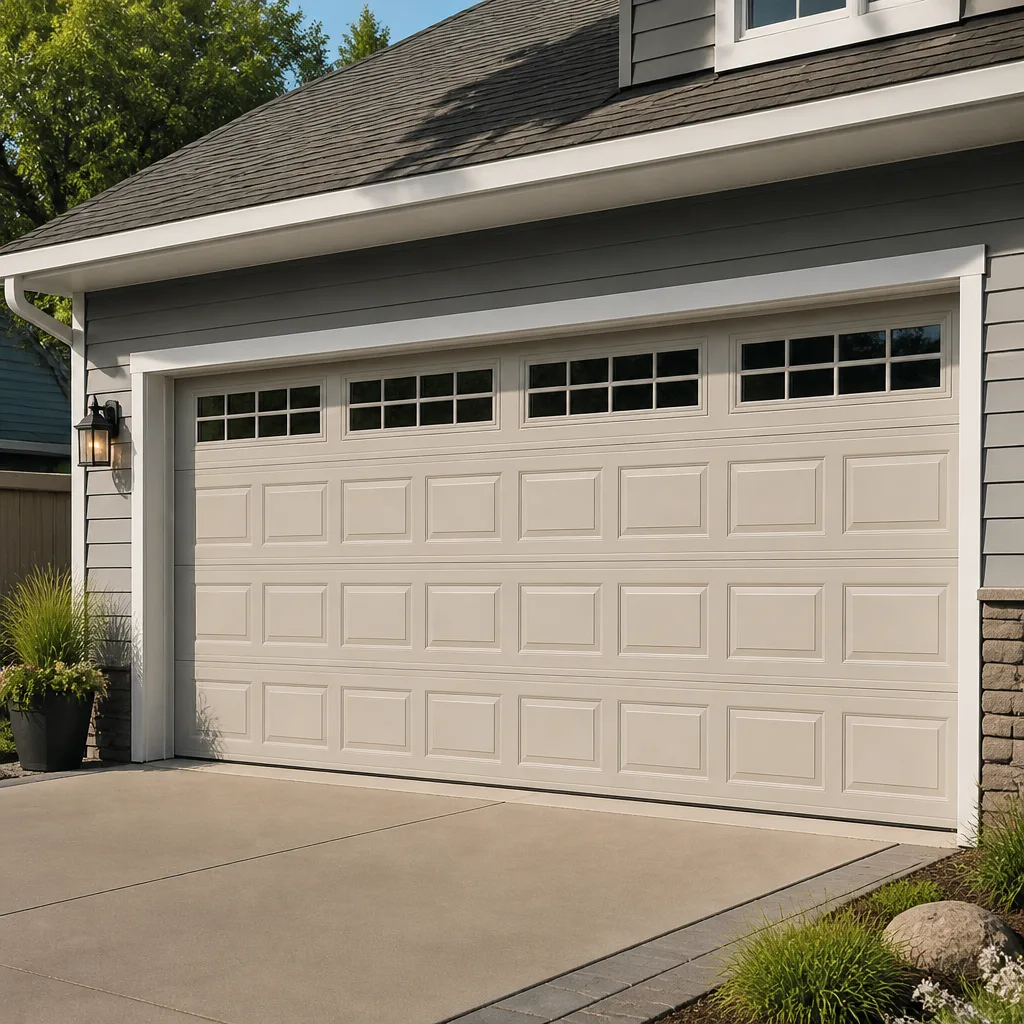 Raised-panel steel
 Carriage house
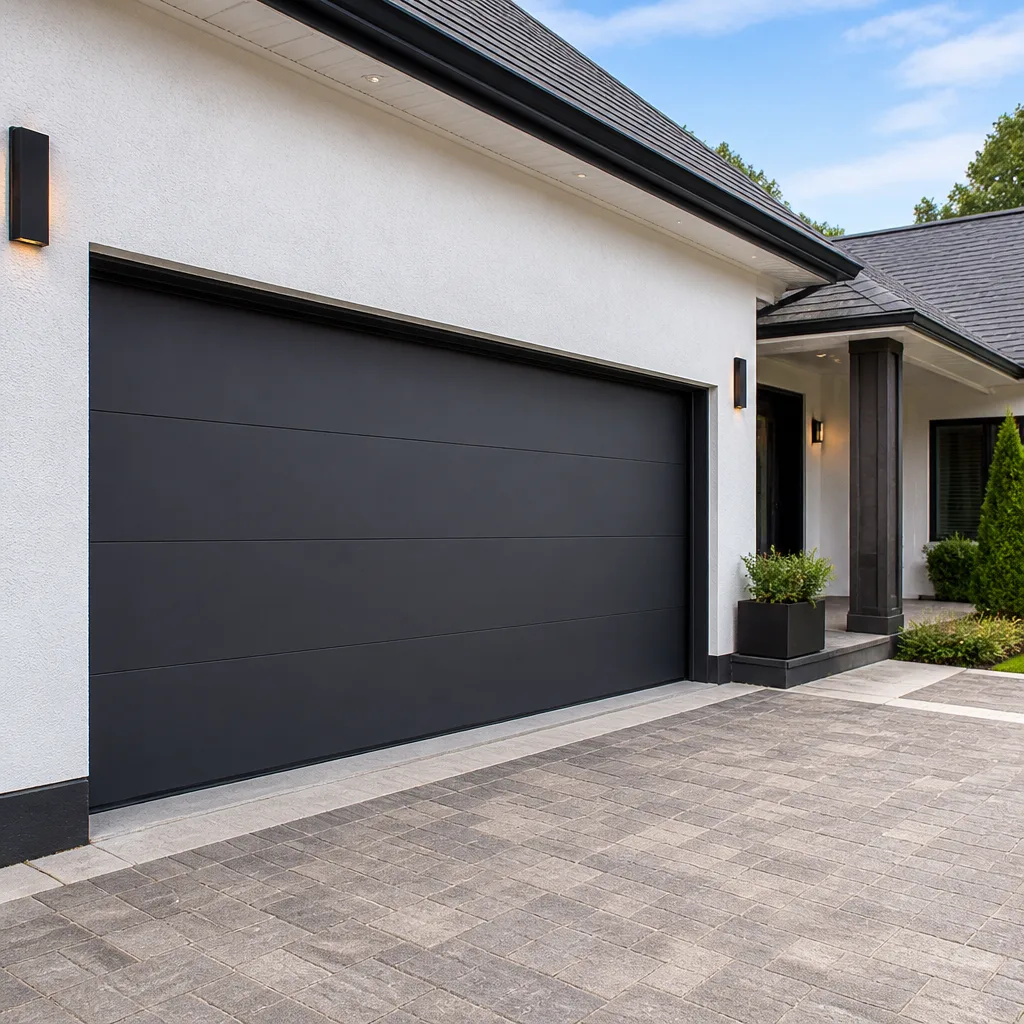 Modern flush
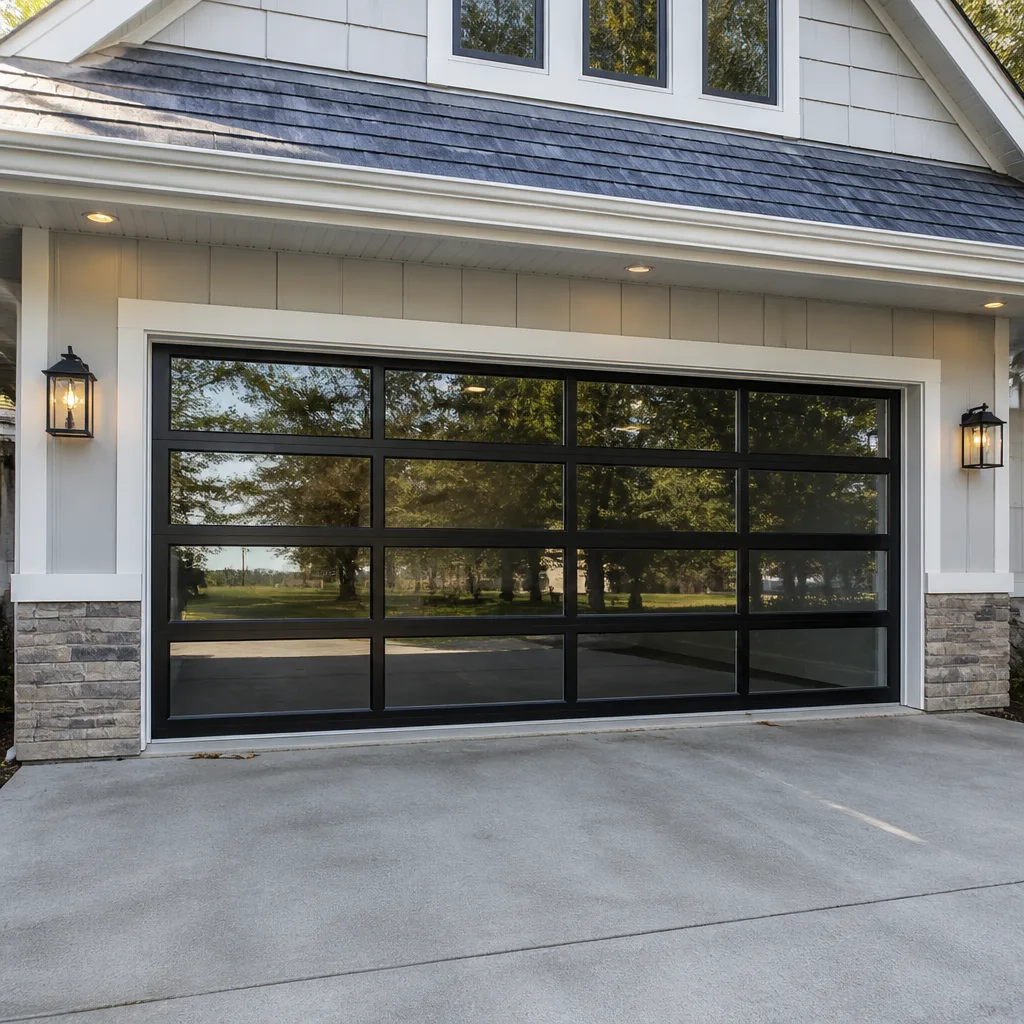 Full-view glass
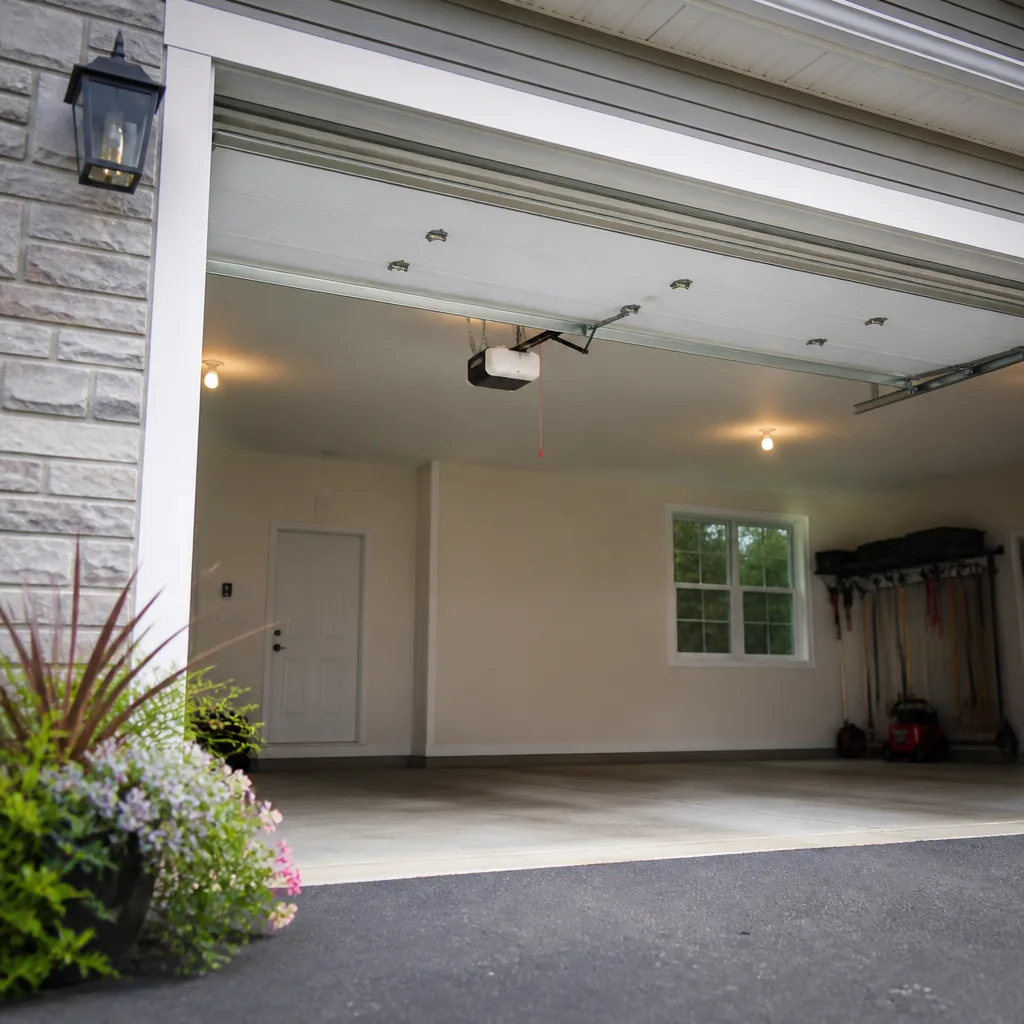 LiftMaster openers
 Chamberlain openers
Full 25-point door and opener safety check with every visit - springs, cables, rollers, tracks, and your LiftMaster or Chamberlain opener included
You get a price before we start. It does not change when the pro arrives.
Get your free estimateGarage Door Repair Maintenance Schedule: What to Do and When
Most homeowners think of garage door maintenance as an annual checkbox. Clean the tracks, tighten a few bolts, maybe add some oil, and you’re done. That approach works well enough in dry, temperate places. In Cape Coral, it doesn’t. Between the humidity that hangs over Southwest Florida for months and the flat, built-up environment where everything stays damp, a garage door lives a harder life than any general schedule will tell you. Parts that would last years elsewhere show wear here in a fraction of that time. What follows is a real schedule built for Cape Coral homes, not averaged from a national template. You’ll learn what to check monthly, quarterly, and annually, which lubricants actually last here, how to spot spring damage early, and when to call someone instead of reaching for the toolbox.
Quick Answer
A garage door really needs four things to stay reliable: lubrication on a schedule, a monthly look at springs and cables, twice-a-year balance and roller checks, and a professional inspection once a year. In Cape Coral’s humid climate, that means a quick monthly walkthrough, a quarterly lubrication and tightening pass, and one thorough professional visit timed for October or November, right after hurricane season. Do those and you’ll catch most failures before they strand your car.
Styles & brands we work with
- Raised-panel steel
- Carriage house
- Modern flush
- Full-view glass
- LiftMaster openers
- Chamberlain openers
Table of Contents
- Why Cape Coral Climate Changes the Schedule
- Monthly Checks: Ten Minutes That Prevent Breakdowns
- Quarterly Maintenance: Lubrication and Hardware
- The Annual Professional Inspection
- Which Lubricants Hold Up in Florida Heat
- How to Inspect Springs for Rust Before It’s Structural
- Seasonal Timing: Why October and November Matter Most
- What a Maintenance Visit Should Include
- Common Mistakes to Avoid
- When to Call a Professional
- Frequently Asked Questions
Why Cape Coral Climate Changes the Maintenance Schedule
National maintenance guides are written for an average climate that Cape Coral simply doesn’t share. The town gets well over 50 inches of rain a year, most of it packed into a summer wet season that runs for months. Relative humidity sits high the rest of the time. And this is a city threaded with canals and surrounded by water on nearly every side, which means the air that settles into your garage is carrying moisture year-round. That moisture doesn’t just feel sticky; it works its way into every moving part of the door system.
Here’s how the environment compresses the timeline:
- Steel parts rust faster. Springs, hinges, rollers, and fasteners all face moisture exposure that a homeowner in a dry state never deals with. Surface rust appears sooner and spreads quicker when it isn’t caught.
- Lubricant breaks down sooner. Heat and humidity cause grease and oil to separate, dry out, or thin out faster than they would in a cooler, drier place. A lubricant that lasts a year in the desert may be gone in a few months here.
- Wood door components swell. If you have a wood or wood-composite door, the wet season can make panels and frames swell, which throws off alignment and strains hardware.
- Weather seals degrade quicker. The bottom rubber seal and any perimeter seals take the full brunt of heat, humidity, and sun. When they crack, moisture gets in and the interior of the garage gets wet.
- Paint and finish wear. The sun over Southwest Florida is hard on any painted or finished surface, and finish protects the material beneath it.
None of this means a Cape Coral garage door is fragile. It means the maintenance that keeps it healthy has to happen more often and more deliberately than a generic guide suggests. We’ve seen how much difference a slightly tighter schedule makes for homes here, and it’s the difference between a door that runs quietly for years and one that starts sticking and groaning a couple of seasons in.
Monthly Checks: Ten Minutes That Prevent Breakdowns
A monthly visual and hands-on check takes about ten minutes and catches the vast majority of problems while they’re still small. You’re not fixing anything here. You’re looking, listening, and noticing. Do this on the same day each month so it becomes routine.
- Watch and listen to the door operate. Stand back and let it open and close fully. It should move smoothly and quietly. Grinding, squealing, or a door that lurches means something’s off.
- Look at the door from the side. As it rises, the door should travel evenly. A door that looks crooked or wavy is a balance problem or a failing spring.
- Inspect the springs. Look above the door at the springs. Check for visible rust, especially near the ends and along the coil. Look for gaps or stretched sections. Never touch or attempt to adjust a spring – more on that below.
- Check the cables. The cables run alongside the springs. Look for fraying, kinks, or slack. Any sign of damage is a stop-use-and-call situation.
- Open and close the door by hand (with the opener disengaged). Pull the release to disconnect the opener, then lift the door partway. It should lift with reasonable effort and stay in place when you let go. If it’s heavy, drops, or won’t hold, the springs or balance need attention.
- Test the safety reverse. Place a roll of paper towels or a piece of wood flat on the ground under the door and close it. It should reverse on contact. Do the same test with the photo-eye sensors by passing a hand in front of them.
- Check the weather seal along the bottom. Look for cracks, gaps, or missing pieces. A damaged seal lets water and pests in.
- Clear the tracks of debris. Leaves, grit, and anything the wind blew in should come out so the rollers can roll freely.
Keep a note of anything that changed since last month. A single new squeak is minor. A new squeak that turns into a shudder within a couple of weeks is worth a closer look. Our technicians have up to 14 years of experience and the most common thing they find on a first visit is a small issue that was visible for a while before anyone called.
Quarterly Maintenance: Lubrication and Hardware
Every three months, add a lubrication and hardware pass to the monthly check. In Cape Coral’s climate, quarterly is the right rhythm. Waiting a full year between greasing means the lubricant has long since dried out or thinned away, and dry metal on metal is where noise and wear begin.
What to lubricate and how
- Rollers. Apply a small amount of lubricant to the roller bearings, not the track. Rollers with sealed bearings need less; metal rollers need more attention.
- Hinges. A drop on each hinge pivot point quiets the door and reduces wear.
- Springs. A light coat on the outside of the coil slows surface rust. This is lubrication only; do not try to adjust or unwind a spring. That’s a job for a trained technician.
- Lock mechanism and moving arms. A little on the pivot points keeps everything working smoothly.
What to check and tighten
- Bolts and brackets. Vibration loosens hardware over time. Go around the door and snug any loose bolts, but don’t overtighten – aluminum and thin steel can strip.
- The opener’s moving parts. If your opener uses a chain or belt, check for slack and confirm it’s within spec. Look at the opener’s rail for debris.
- Balance again. Repeat the manual lift test from the monthly check, since springs soften gradually and you’re watching for a trend.
- Photo-eye alignment. Make sure the two sensors on either side of the door are lined up and clean. A little dust or a bumped sensor will stop the door from closing.
For a LiftMaster or Chamberlain opener in a Cape Coral home, the quarterly pass is also a good time to check that the travel limits haven’t drifted. If the door doesn’t quite close all the way or stops short going up, the limits need adjusting. It’s a quick fix, and catching it early prevents the opener from working harder than it should.
The Annual Professional Inspection
Once a year, schedule a professional inspection. Even a diligent homeowner can’t see everything, and some of the most important checks require a trained eye and the right tools. The annual visit is where small problems get caught and the door system gets a full assessment.
What to expect from a proper annual inspection:
- Spring assessment. A technician measures spring tension, checks for fatigue, and looks for any sign of damage that’s easy to miss from below.
- Cable inspection. Cables are checked for fraying, corrosion, and proper tension. Frayed cables are a serious safety issue.
- Roller and hinge wear. Worn rollers get identified so they can be swapped before they damage the track.
- Track alignment. The technician checks that the tracks are straight, plumb, and properly secured.
- Opener function. Force limits, travel settings, and safety reverse are all tested and adjusted as needed.
- Balance and operation test. The full manual and powered operation is run through to confirm everything’s working together.
- Weather seal and finish. Seals are checked for water intrusion, and any finish damage is flagged so it can be addressed.
When we come out for a maintenance visit, this is the checklist we work from. Whether you hire us or another company, hold them to this list. A good inspection should also include a review of anything the door needs, from a roller replacement to a fresh pair of springs. Some fixes are small and can wait. Some should happen now. A good technician will tell you which is which, and should never push a replacement on a door that just needs repair.
Which Lubricants Hold Up in Florida Heat
Not all garage door lubricants are equal, and in Cape Coral heat and humidity, the wrong choice means you’re re-lubricating far more often than you’d like. Here’s how the common options actually behave here.
- White lithium grease: A solid choice for springs and heavy-duty metal parts. It clings well and resists being washed away. In extreme heat it can get runny, so check it at the quarterly pass and reapply as needed rather than waiting longer.
- Silicone spray: Good for hinges, tracks, and areas where you don’t want a sticky residue. It won’t attract grit, which matters in a dusty garage. It’s lighter and wears off faster, so it needs more frequent attention.
- PTFE (Teflon) spray: The best balance for most homeowners. It’s dry, doesn’t attract debris, holds up reasonably well in humidity, and works on rollers, hinges, and springs alike. If you pick one product for everything, this is it.
- Roller-specific grease: If your rollers have sealed bearings, use what the manufacturer recommends. Don’t force a thick grease into a sealed roller.
What not to use
- WD-40 (the standard version). It’s a fine loosener, but it’s not a lasting lubricant. It evaporates quickly in the heat and leaves metal dry. It’s a common cause of doors that squeak again within weeks.
- Motor oil or cooking oil. These run off, attract dust, and can gum up over time. They don’t stay where they’re needed.
- Silicone on the track surface itself. Lubricate the rollers, not the tracks – oil on the track picks up grit and makes a grinding paste.
Whatever you use, apply it sparingly and wipe off excess. The goal is a thin, even coating, not a dripping mess that collects dust. Pair the right product with a quarterly routine and you’ll get far more from the door than you would with a once-a-year spray of whatever’s in the garage.
How to Inspect Springs for Rust Before It’s Structural
Springs are the heart of any garage door system, and in Cape Coral they face the toughest conditions in the country: constant moisture, humidity, and heat that never fully lets up. Surface rust is common and mostly harmless in its early stage. Structural rust, where the metal itself starts to pit and weaken, is dangerous. The trick is telling them apart while the damage is still surface-level.
Safety comes first. Never touch, reach into, or attempt to work on a garage door spring. Springs are under extreme tension and store enormous energy. Even a trained pair of hands can be hurt if something goes wrong. What follows is a visual inspection from a safe distance, looking at what the spring is doing, not handling it.
Visual cues to look for
- Color of the rust. Light, powdery orange rust is surface rust. Dark brown or black rust, especially with visible pitting, is deeper and more concerning.
- Location. Rust near the ends of the springs or in spots where the coil is tightest often signals the beginning of fatigue. Rust that runs the entire length is a worse sign.
- Pitting and flaking. If rust is flaking or you can see small pits, the metal is losing its strength. The spring should be looked at by a technician.
- Gaps in the coil. If the coil has separated anywhere, the spring is stretched or broken. Stop using the door until a technician checks it.
- Uneven discoloration. A spring that’s rusting in one area but not the rest is telling you something about how it’s loaded. Worth a professional look.
Compare what you see to what the spring looked like the last time you checked. If the rust has clearly moved from light and powdery to dark and pitted, or if you’re seeing it spread, schedule a technician. Surface rust on a spring can be slowed with a light coat of lubricant, but structural rust is a replacement decision that should be made by someone who understands springs. We treat spring repair as its own specialized service because it’s one of the most dangerous jobs in the trade and it deserves a trained technician, not a general handyman or a do-it-yourself attempt.
Seasonal Timing: Why October and November Matter Most
Hurricane season runs from June through November, and in Cape Coral the wet season sprays rain across the region for months. By the time the season ends in October and November, your door system has taken its hardest hit and it’s going to sit through the cooler, drier stretch that follows. That makes October and November the single most important maintenance window on the calendar.
Here’s why the timing works:
- Post-season assessment. Any damage that built up over the wet months – rust, seal failure, loose hardware, a tired spring – gets caught before it gets worse.
- Prep for the dry months. The cooler months are when doors see the most daily use. A freshly serviced system handles that stretch smoothly.
- Address the wear while it’s small. Small issues caught in the fall are small repairs. Left through the next wet season, they tend to turn into bigger ones.
- Storm readiness. A door in good repair is easier to secure in advance of a storm. Loose panels, weak springs, and damaged seals don’t hold up as well as a maintained system.
A simple seasonal rhythm
- June: Storm-prep check. Confirm the door locks and secure panels, and look at the spring condition one more time before the season peaks.
- Middle of the wet season (August-September): Monthly checks matter most here. Watch for moisture-related issues and keep the quarterly lubrication going.
- October-November: Full annual professional inspection. This is the big one.
- Winter and spring: Routine monthly checks and the quarterly pass. Keep an eye out for any slow changes.
That rhythm exists precisely because of where we live. In a drier climate, the annual visit could come at almost any time. In Cape Coral, timing it to the end of hurricane season is the smartest move a homeowner can make. If you can only do one thing all year, do a professional inspection in the fall.
What a Maintenance Visit Should Include
Not every company’s maintenance visit covers the same ground. Some give a quick visual and a spray of oil and call it done. A real maintenance visit covers the whole system, from the opener down to the weather seal, and it comes with findings you can act on. Here’s the checklist to hold any company to.
- A full spring and cable inspection. Tension, fatigue, corrosion, and cable fraying should all be checked, with the technician reporting what they find.
- Roller and hinge assessment. Each roller should be checked for wear, binding, and noise. Hinges should be checked for looseness.
- Track inspection. Tracks checked for plumb, straightness, and proper attachment to the wall and header.
- Balance and manual operation test. The door should be released from the opener and run by hand to confirm balance and smooth travel.
- Spring lubrication and hardware tightening. A light coat on the springs, lubricant on hinges and rollers, and any loose bolts snugged down.
- Opener check. Force limits and travel settings confirmed, safety reverse tested, and the opener’s drive system checked for wear.
- Photo-eye and safety sensor check. Alignment, function, and clean sensors.
- Weather seal and finish review. Bottom seal checked for cracks and gaps; any finish damage flagged.
- Written findings. A good technician tells you what they found, what’s fine, and what needs attention, and gives you a price before any extra work is done.
When we do a maintenance visit, we work from this list and a few more checks specific to the brands we handle. We service LiftMaster, Chamberlain, Genie, Clopay, Amarr, Wayne Dalton, Craftsman, and Raynor because these are the brands most homeowners already have, and knowing a system well means spotting small changes faster. If the door needs a repair rather than a replacement, we say so. If a part is worn, we carry common parts so we’re not turning a repair into a return visit just because something has to be ordered. And if a door is genuinely ready for replacement, we say that too, with a written price so you can decide.
Common Mistakes to Avoid
- Greasing the tracks. Lubricant on the track surface mixes with grit and forms a paste that grinds the rollers. Grease the rollers, not the tracks, and wipe the tracks clean instead.
- Using WD-40 as a lubricant. It loosens and evaporates in Cape Coral heat, leaving parts dry within weeks. Choose a dry PTFE spray or white lithium for actual lubrication.
- Trying to fix a spring yourself. This is the most dangerous mistake a homeowner can make. Springs are under extreme tension, and the risk of serious injury is real. Leave spring work to a trained technician, and never use the door if the spring looks broken.
- Ignoring surface rust. In this climate, surface rust that isn’t monitored becomes structural rust. Check springs monthly and act on any trend toward dark, pitting corrosion.
- Waiting until the door fails. A door that’s started to groan or stick is telling you something. Fixing it before it stops halfway and strands your car is cheaper and easier than an emergency repair.
- Failing to test the safety reverse. A door that closes on an obstacle is a genuine hazard. Test it monthly; it takes seconds and the result matters.
- Assuming a generic schedule fits Cape Coral. National guides assume a milder climate. In this humidity and heat, follow a tighter schedule than the one you’ll find in a national checklist.
When to Call a Professional
Some jobs are for you, and some absolutely aren’t. Call a professional if you see a broken spring, a frayed or snapped cable, a door that drops or won’t stay up when you lift it by hand, or a door that’s off its track. Call if the door operates with a shudder, if a spring is visibly rusted beyond surface level, or if the opener reverses for no reason. Call if you’re unsure. A quick inspection is the safest answer. In Cape Coral, we offer free estimates and can look at what your door needs, whether that’s a repair, a part, or a new opener. Call Cape Coral Garage Door Repair Co at (855) 658-4296 for a free estimate. Every price is quoted and agreed before any work begins, so you’ll know the number before anything is touched.
Frequently Asked Questions
A garage door in Cape Coral should get a quick visual check monthly, a lubrication and hardware pass every three months, and a full professional inspection once a year. That’s a bit more frequent than a generic national schedule recommends because of the humidity and heat here. The annual professional visit is the backbone of the whole schedule. Call (855) 658-4296 for a free estimate on a maintenance visit.
You can and should handle routine lubrication yourself. Spraying a dry PTFE lubricant on the rollers, hinges, and springs every three months is a safe homeowner job. What you shouldn’t handle is anything that involves adjusting, removing, or tensioning a spring or cable. Those are the jobs for a trained technician. Call (855) 658-4296 for a free estimate if your door needs a repair beyond lubrication.
Signs a spring needs replacement include visible gaps in the coil, dark pitting rust along its length, a door that feels very heavy when you lift it by hand, and a door that opens unevenly or seems to change how hard it is to operate. A technician can confirm whether it’s a small repair or a replacement. Call (855) 658-4296 for a free estimate; spring repair is one of the specialized jobs we handle carefully for safety reasons.
Yes, maintenance pays for itself by catching small repairs before they become larger ones. In Cape Coral’s humidity and heat, hardware wears faster than in drier climates, and a routine of monthly checks and quarterly lubrication goes a long way toward keeping the system running smoothly. Skipping maintenance is how a small roller problem or a light rust issue turns into a fuller repair. Call (855) 658-4296 for a free estimate on routine maintenance.
A proper maintenance visit should include a full spring and cable inspection, a check of the rollers and hinges, a track alignment check, a balance and operation test, lubrication, a full opener check including the safety reverse, a weather seal review, and written findings. Ask any company to walk you through their checklist before they start. We’re happy to walk you through ours. Call (855) 658-4296 for a free estimate.
Yes. October and November are the most important months for maintenance in Cape Coral because that’s when the door’s post-hurricane-season condition is clear and there’s time to fix wear before the dry season’s heavy use. A fall inspection catches rust, seal damage, and hardware wear while they’re small. Call (855) 658-4296 for a free estimate and get your inspection on the calendar.
The Bottom Line
The maintenance schedule that keeps a garage door healthy in Cape Coral isn’t the same one from a national guide. It’s a little tighter and a little more deliberate, because the heat and humidity here work the system harder. A ten-minute check each month, a lubrication pass every three months with the right product, and a professional inspection each October or November will catch most problems while they’re still small. Keep an eye on your springs, test the safety reverse, don’t grease the tracks, and never touch a spring yourself. When something’s beyond a visual check, we’re a call away. We work across the brands you already own, from LiftMaster and Chamberlain openers to Clopay and Amarr doors, and we handle garage door repair, garage door opener repair, and garage door installation when a repair no longer makes sense.
Get a Free Estimate
If your door is due for a maintenance visit, or you’ve noticed something the schedule above says to check, call Cape Coral Garage Door Repair Co at (855) 658-4296 for a free estimate. We answer 24/7. Fast dispatch from 7am to 7pm, Sunday through Friday. We’ll look at the door, walk you through what it needs, and give you a written price before any work begins. Repair first, replace only when it makes sense – and we’ll tell you honestly which one fits.
Written by the team at Cape Coral Garage Door Repair Co.
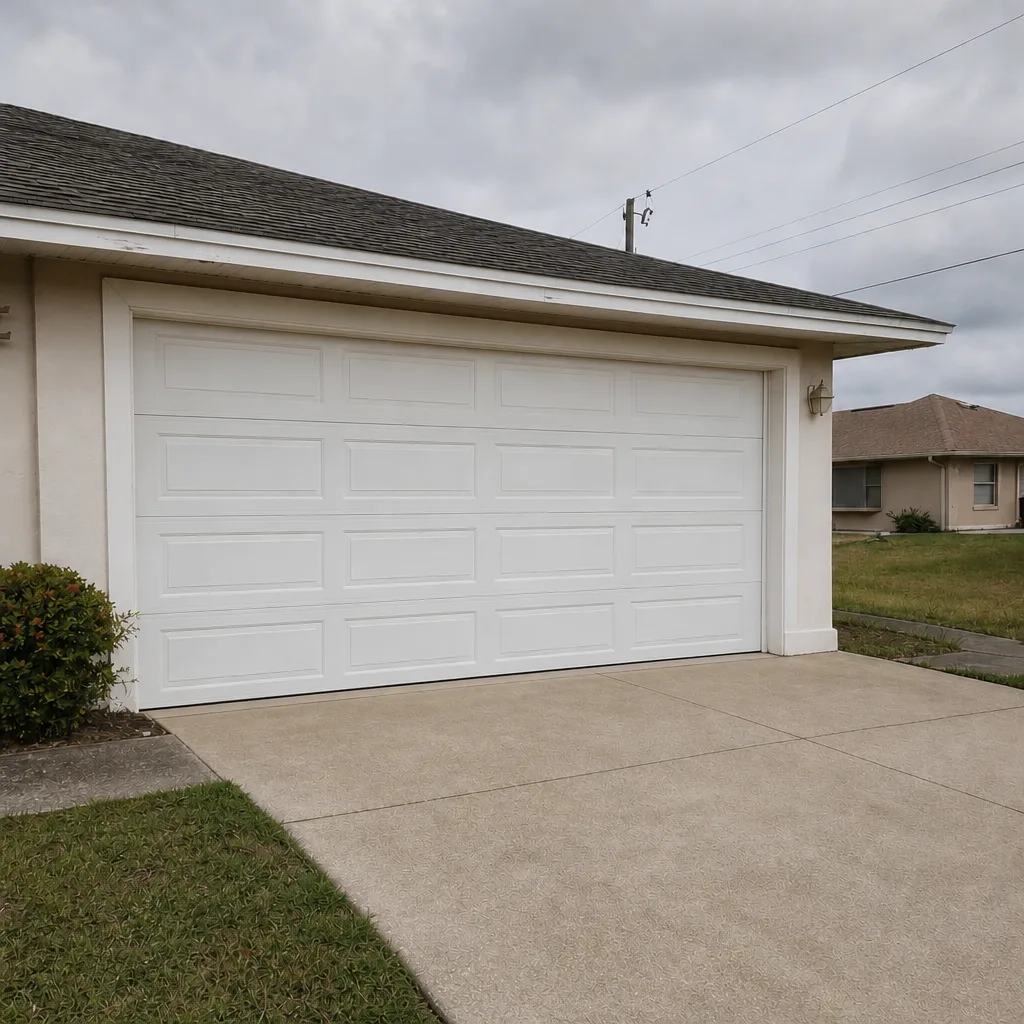
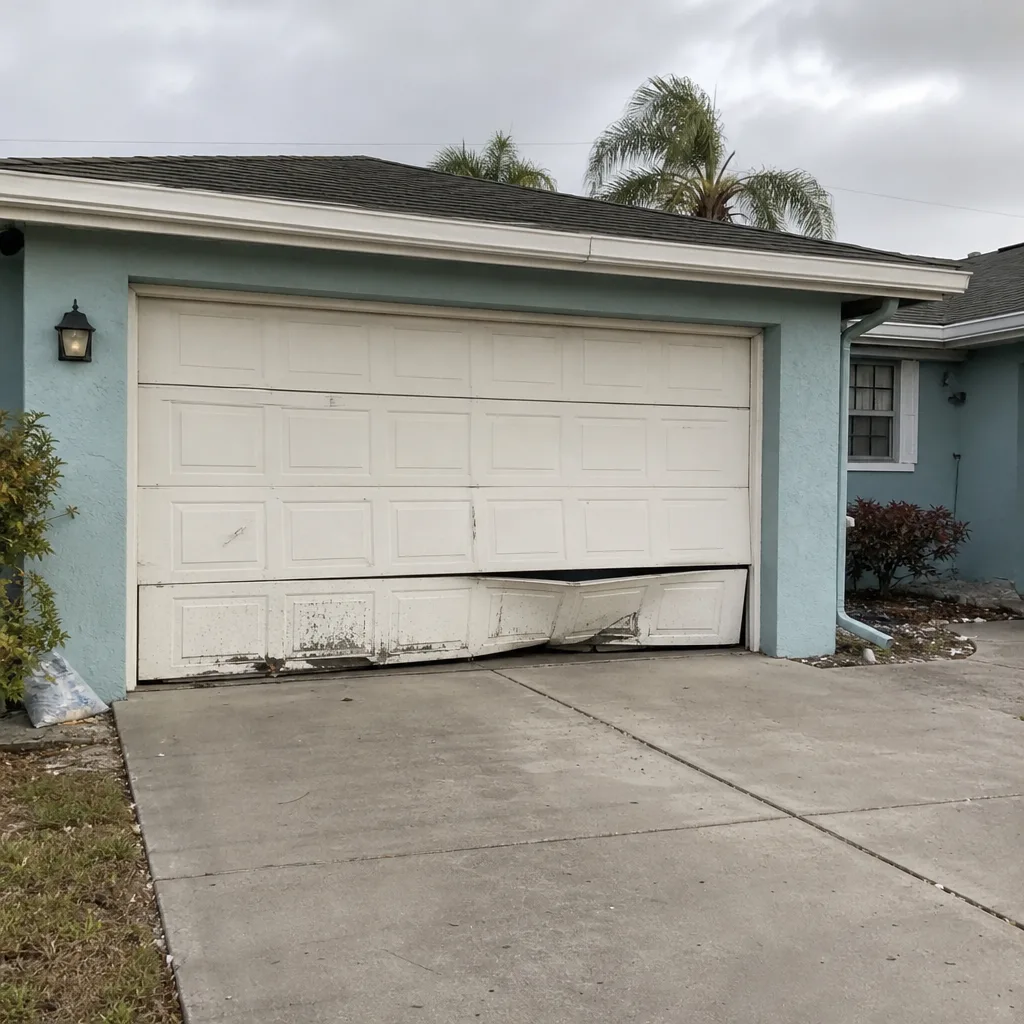
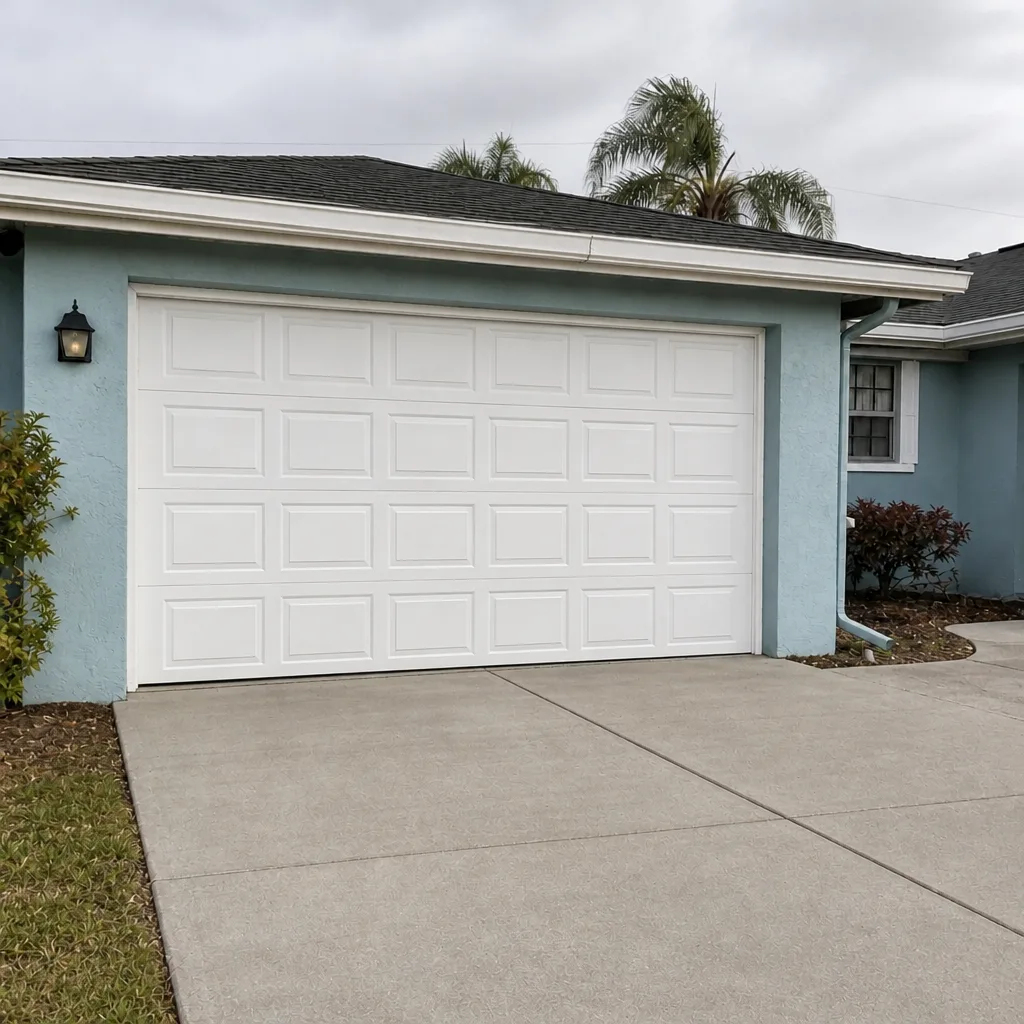
See the difference
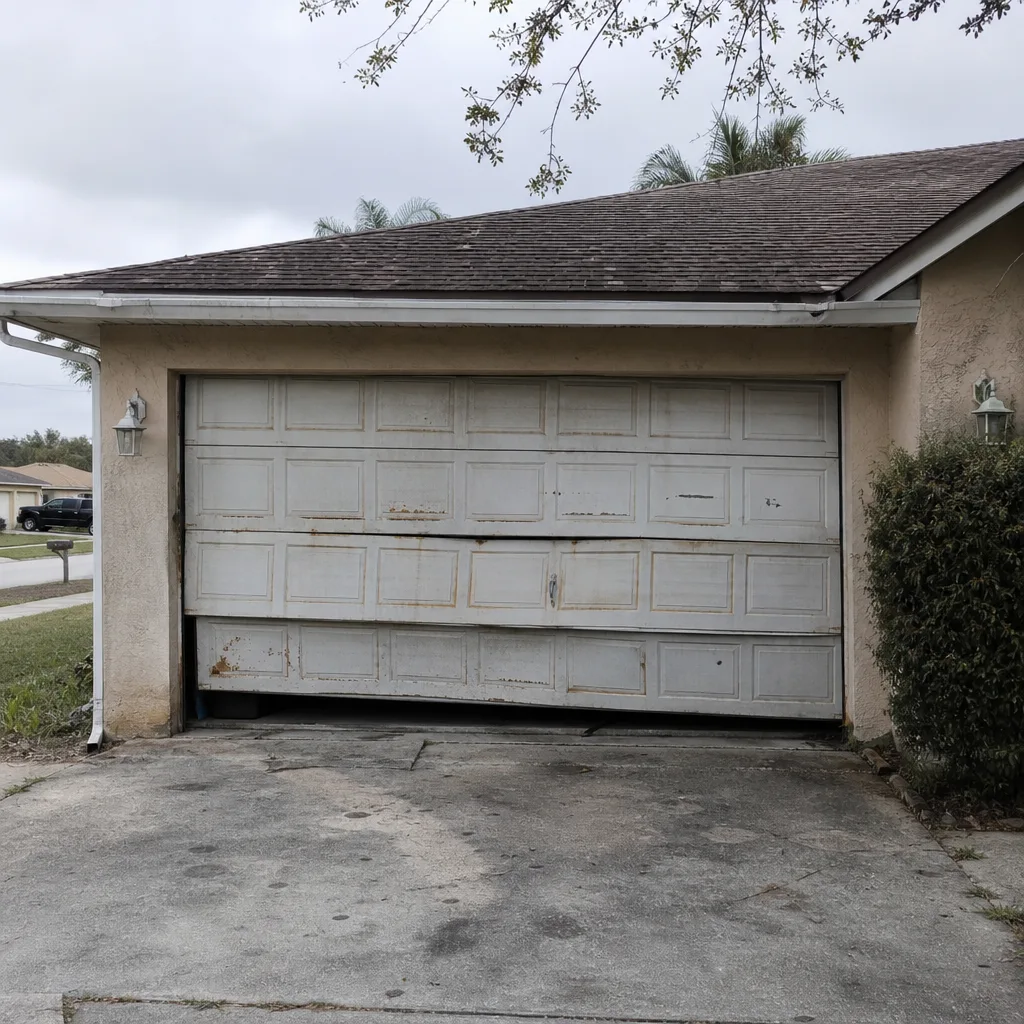 Before
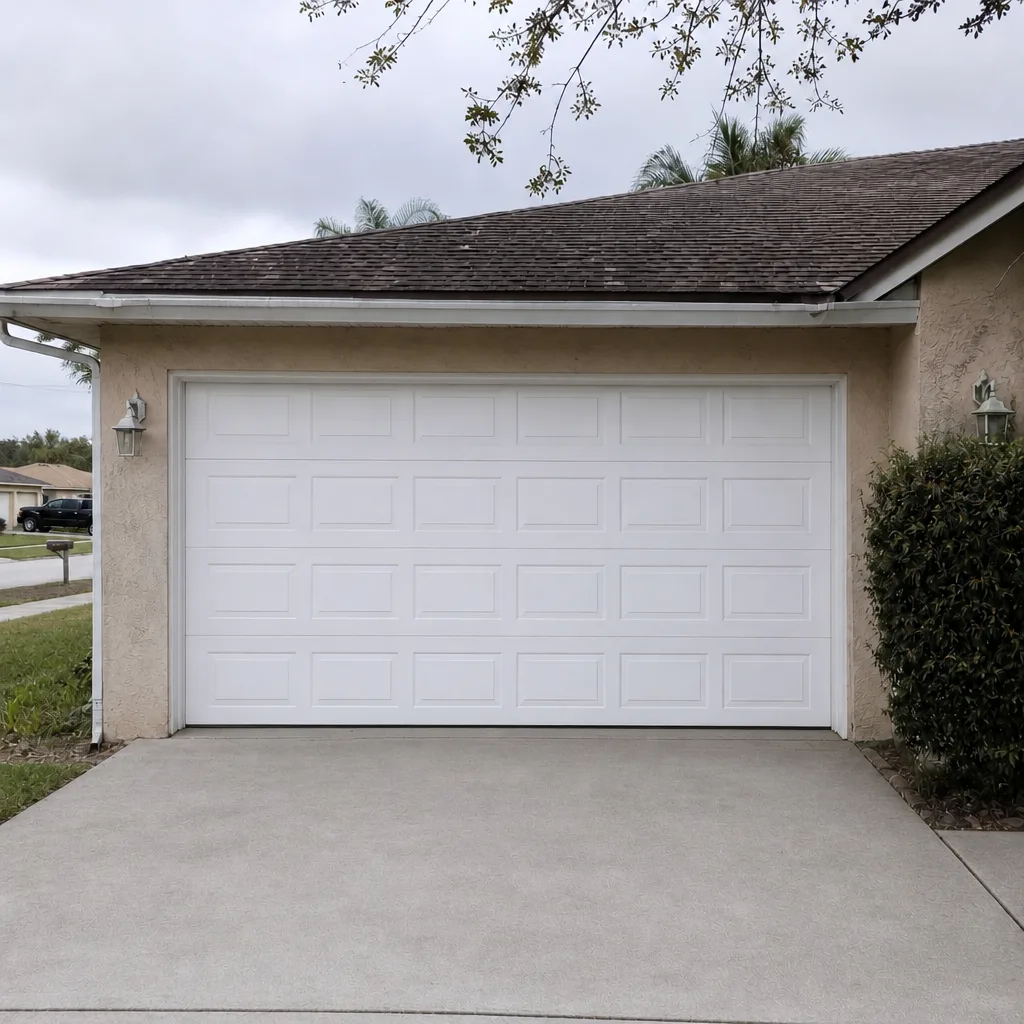 After
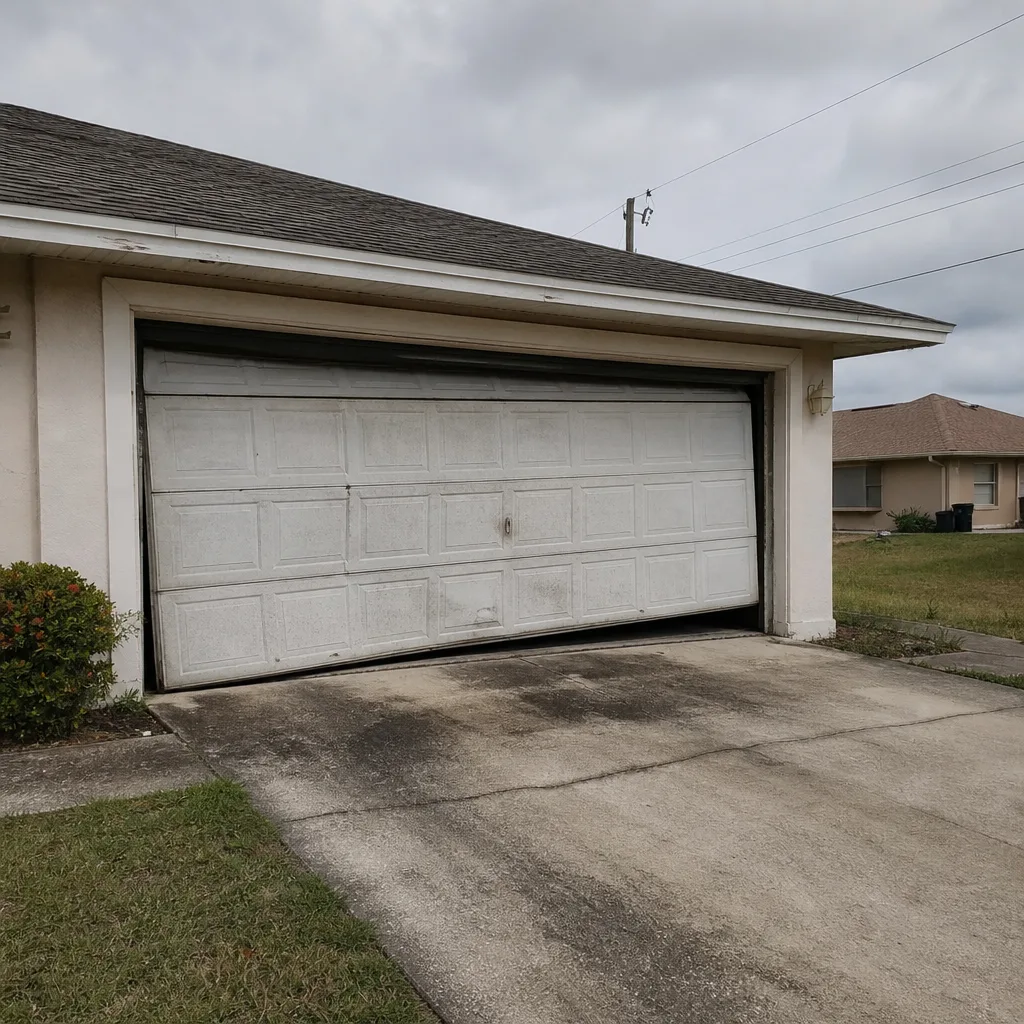 Before
 After
 Before
 After